


Origin stories
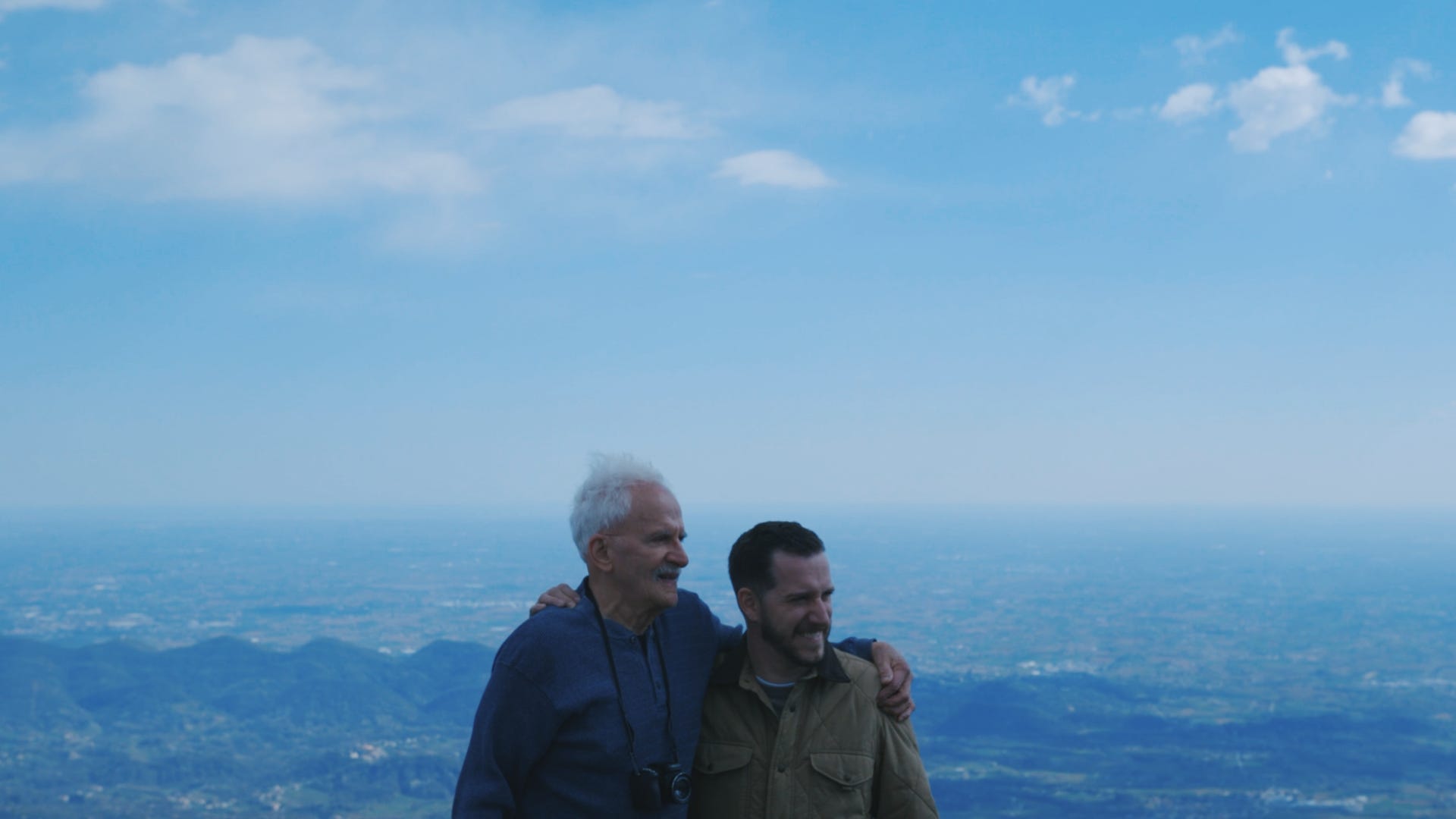
The Rigatos are northern Italians that trace much farther back than the country itself. In and around Treviso, you’ll see or hear the name all the time. I connected with my cousins there a few years back and have visited many times. I even brought my cousin Mattia to Michigan to hang out in Detroit as well as visit the Keweenaw and Isle Royale.
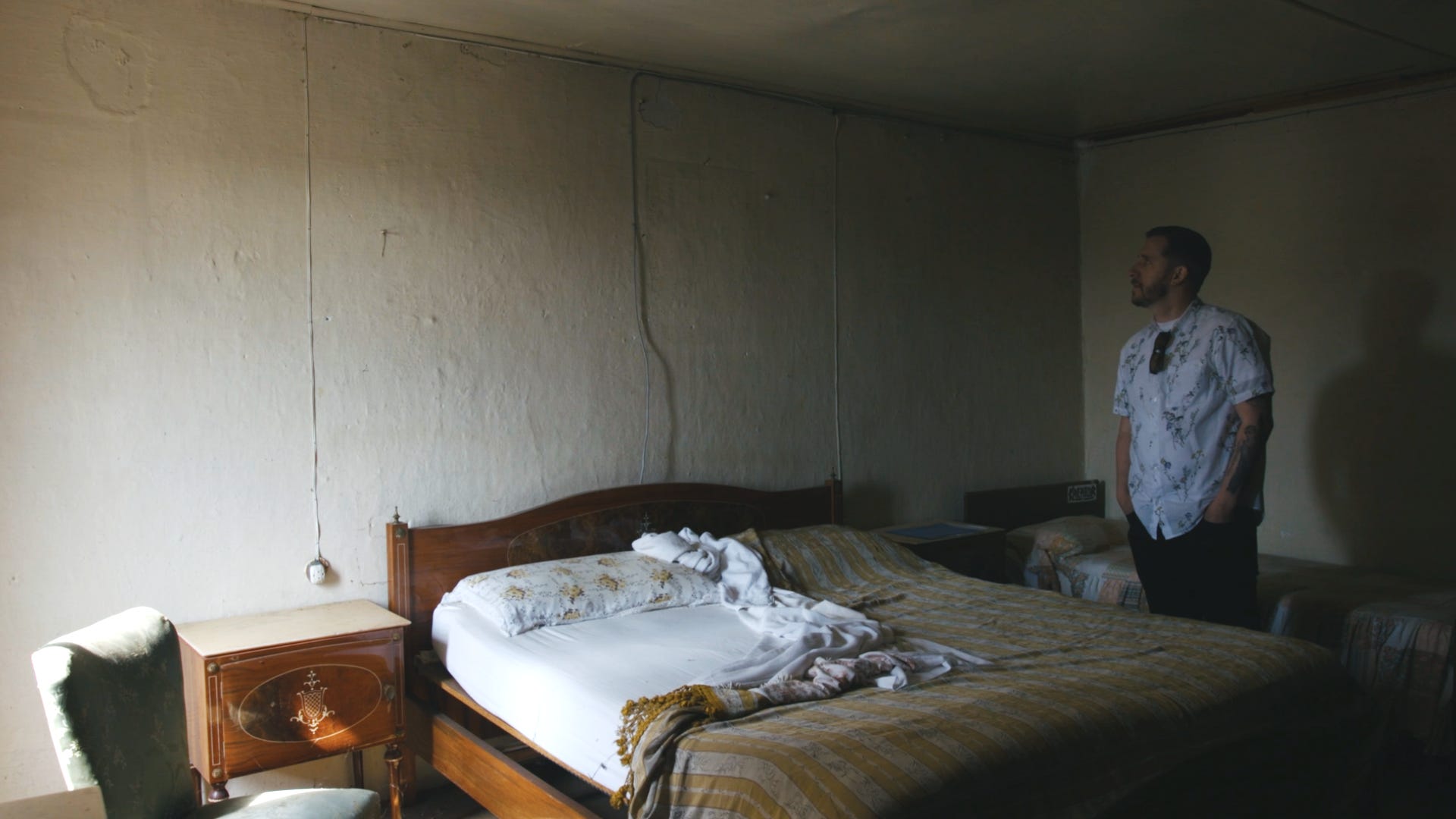
Mattia’s father, Valentino, is basically the family historian. He even took me to the family home of my great great grandmother. The home is under renovations from a new owner, but the kitchen and even the bedroom is still intact. It was wild to see the bedroom where my great grandfather, Giovanni, was born. As well as the birth record inscription at the church.
I love Italy. All of it. Such a varied and special place. But I think Veneto is overlooked. Obviously Venice isn’t, but the rest of the region has so many treasures you could spend months exploring it.


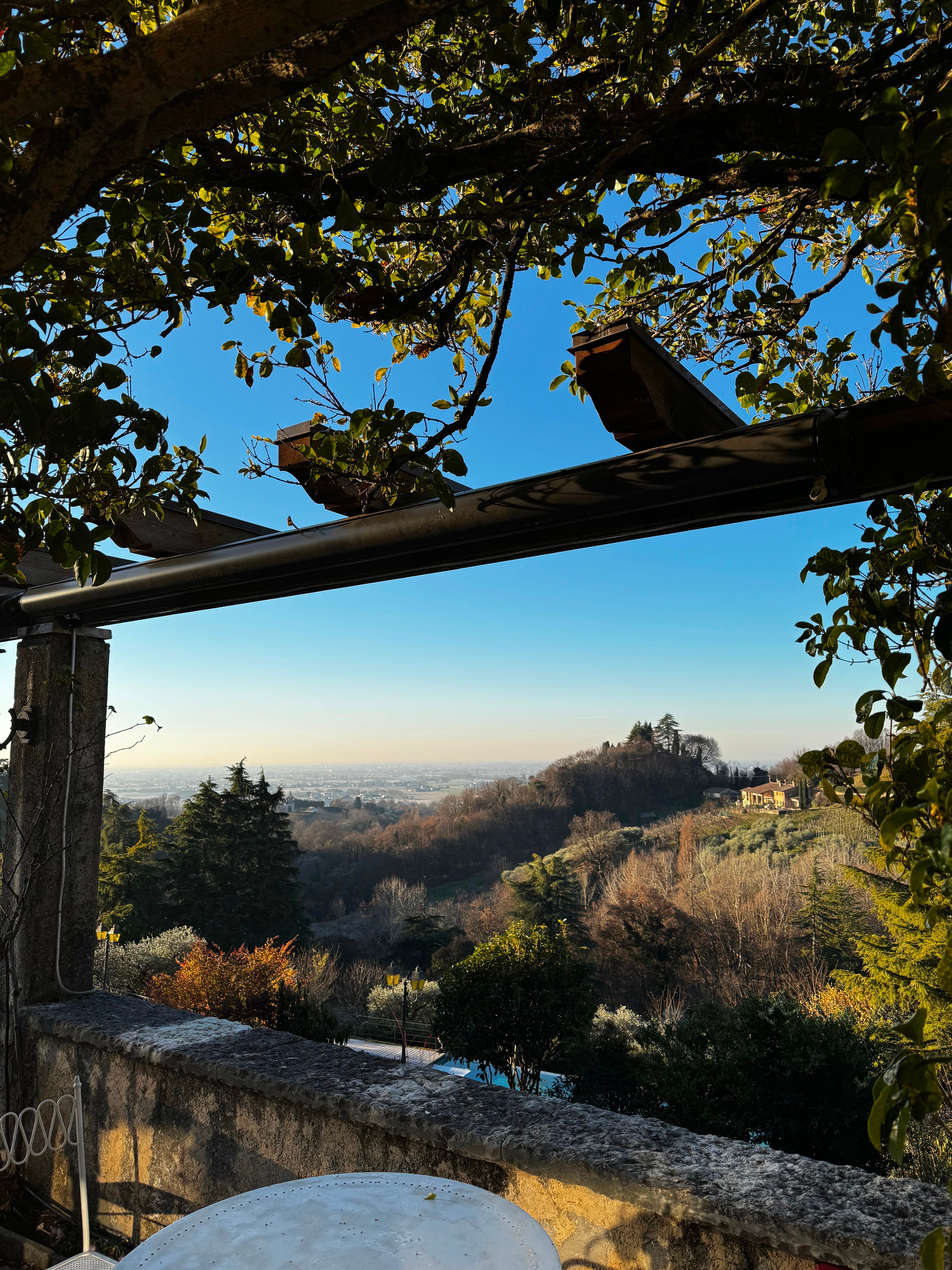
I will visit Padua, Treviso, Valdobbiadene, Verona and Bassano del Grappa anytime! But Asolo has my heart. I think it’s the best kept secret in the area (more on that later).
[Side note: the 2026 Winter Olympics are being held in Milan and Cortina d’Ampezzo (about 2 hours North from where we were), so to avoid the preparation madness we stayed closer to the foothills of the Dolomites. We were also traveling in January with a lot of time in the car and needed to account for extreme weather. We’d love to head deeper into the mountains when we return! This is a fabulous destination trip for those who love outdoor winter activities, regardless.]
Getting there
Sadly, there’s no direct flight to Italy from Detroit in off-season. We flew from DTW to Amsterdam, had a 1.5 hour layover (which, despite Schiphol being incredibly organized, was cutting it close), and landed at Venice airport Marco Polo mid-morning. We narrowly escaped a flight cancellation due to winter weather in Amsterdam. We kept our plans flexible (and refundable), knowing snow could impact our travel at any moment.
Venice
Transportation
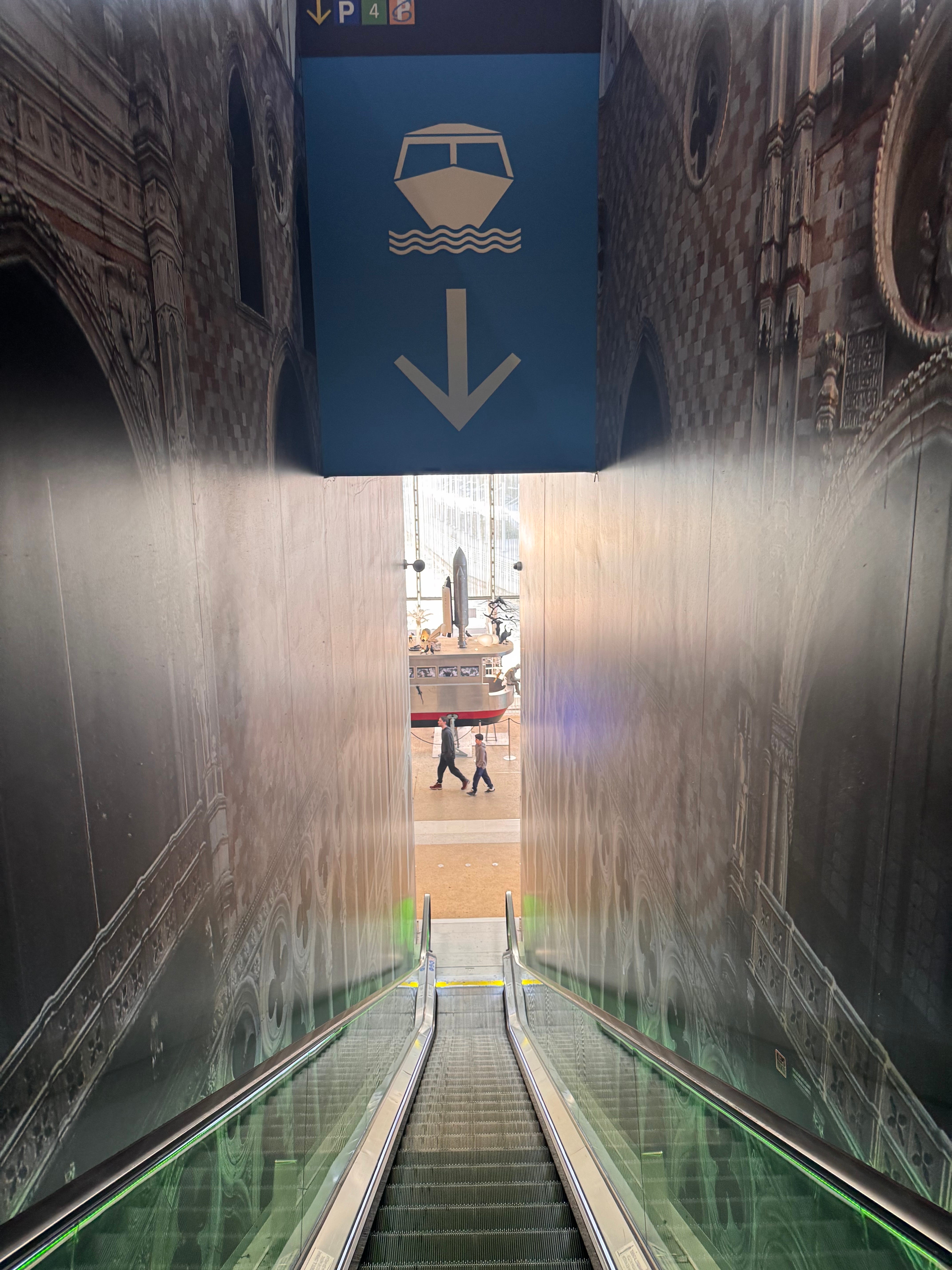
Water taxis! What a glamorous way to enter a city. We followed signs to the second floor of Marco Polo for a private water taxi service. For €150, you’re privately escorted on a personal boat with your luggage to your destination. After hours on public transport, in airports, waiting in customs lines, it’s a great relief to get away from coughing crowds and take in the city’s beauty as you arrive.


Otherwise, Venice is huge, crowded and immensely walkable. You can take advantage of gondola rides for novelty’s sake. But Venice is most charming at night, on foot, discovering the labyrinth of ancient alleys, cicchetti bars & storefronts at every turn.


After one night in Venice, we took a water taxi (there are car taxis as well) back to Marco Polo to rent a car and head East. Car rental was simple via Expedia.
Driving in Italy
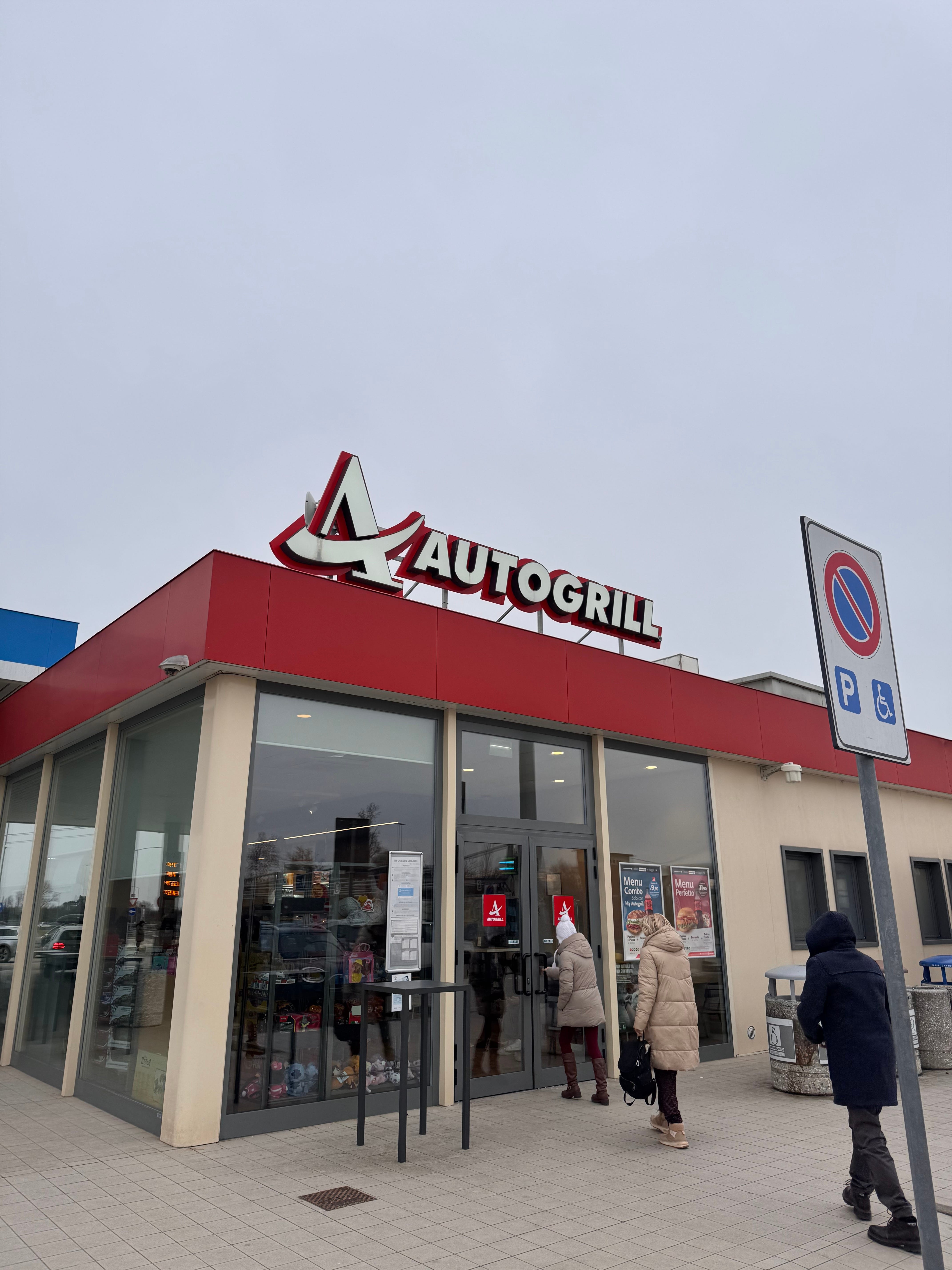
I always rent a car in Italy. After all, the villages are the real Italy and you can’t take the train everywhere.
Technically, you’re supposed to get an international drivers license from AAA before you drive in Europe. I have in the past, but I’ve also rolled the dice and not done it. It can be an enforceable fine so it’s up to you.
In general, the toll roads are the fastest and easiest way to travel. However, it’s not cheap. So plan accordingly. But this is where you can find the Autogrill rest stops with their delicious snacks and perfect espresso.
I try to get a smaller car as many of the villages are narrow and maze-like. Also, always GPS to a parcheggio if your destination is in an old city center. Once you enter these old cities, the GPS can get wonky. So if you’re trying to look up a parking garage after you realize your restaurant is located in a walking only area and you’re in a weird alley with cars behind you and you don’t speak Italian… you get the idea.
Accommodations
Venice is the tourist’s city. The capital of Veneto and the international financial hub for spices, art, silk and grain in the Middle Ages and Renaissance, it is home to few and visited by many. Hotels abound. In the past, Chef has stayed at Hotel Moresco and loved it. We stayed here for our brief stay this time, but some other options called out to me, below:
Palazzo Abadessa in a 16th century palace
Il Palazzo Experimental — gorgeous!!
Activities


We were in Venice for one night, and spent most of it bouncing around to wine bars and taverns, enjoying the city’s lights, and admiring the architecture. If I were staying for longer, I would shop for Venetian slippers and Murano glass. I would visit La Scuola Grande di San Rocco, a series of salons featuring the art of Tintoretto. If you’re there in warmer months, you could walk through secret gardens, and visit the stunning sculptures of Venice at the the Basilica of Santi Giovanni e Paolo, the Venetian Pantheon.
Eating and drinking
Chef’s take: Dining in Venice is notoriously expensive. There are plenty of options so you can always navigate and find some bargains. But it’s got tourism like Disney has tourism. It’s overwhelming and the city is sinking. So food and cooking there is often based on surviving the masses. Which isn’t always the best. I recommend saving your wallet and exciting meals for other parts of the region. Enjoy the wine bars, the cicchetto, the vibes and romance of the city. If you find a great meal, hell yeah! But I wouldn’t prioritize the finest dining in a city where you should be walking around and soaking it in.


The best way to eat through Venice is to bop around to various cicchetti (bàcari) bars, which are wine bars offering tapas-style snacks that you stand and enjoy casually. We defer to expert Katie Parla for her recommendations, but some classics are Do Spade, Do Mori, and All’Arco.


Chef’s favorite place in Venice is Taverna al Remer, a moody tavern tucked away from the Grand Canal, it’s the perfect low-lit place for a spritz and respite from the crowds. We spent a few hours at La Sete enjoying experimental Venetian sparklings before our 9pm dinner reservation at the cozy Antiche Carampane, where the rustic desserts and wine list shined. Next time, I’d like to visit Da Ivo for dinner and have standing pastries and coffee at Pasticceria Tonolo.
Friuli Venezia-Giulia
After one night in Venice, we hopped in the car and drove east, through Friuli to Ljubljana (more on that in a later travel guide!). Friuli is Italy’s north-easternmost region, bordering Austria and Slovenia, offering fairytale beauty and alpine charm. The textured white wines from this region were the star of the show, as well as traditional dishes like braised rabbit and endive.
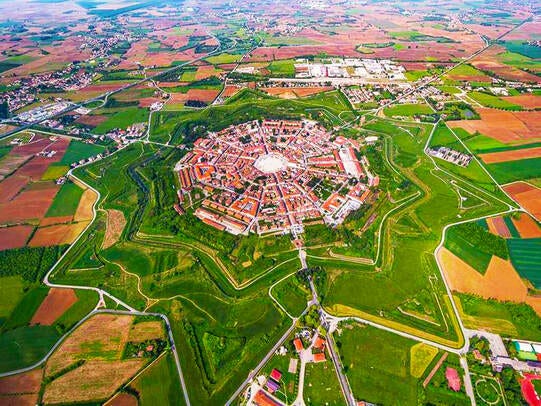
We stopped in the Renaissance city of Palmanova, which is known for its star fort city-center (a UNESCO World Heritage Site). The city was modeled as a utopia, as proposed by Sir Thomas More, where the structure of the city mimics the harmonious equality of the society.


The enoteca was a highlight of the trip - the owner insisted we try the local cuisine, a fresh pork sausage and brûléed cheesy potatoes. We drank a skin-contact Pinot Grigio from Vie di Romans, which was one of Paulina’s favorite wines of the trip.


Another city worth visiting would be Cividale del Friuli, in the foothills of the eastern alps. We visited the “Devil’s Bridge” - the city’s main landmark. The lore suggests that the bridge was built as part of a pact with the devil, and the townspeople out smarted him.


We had a lovely lunch at Ristorante Antico Leon d’Oro, with local wines and a dessert cart featuring fior di latte gelato garnished with crushed berries and chocolate sauce - a dish we will not soon forget.
We just so happened to be in Friuli during a religious holiday, so we could not taste with wineries as we hoped. When we return, we’ll head to Trieste, and try to taste with Vie di Romans, Schiopetto, Venica & Venica and Villa Russiz in Collio.
Treviso


Heading west, back through Veneto towards Verona, we stopped in Treviso for one night. Treviso is known as ‘little Venice.’ The Sile river carves through the walled city which boasts cobbled streets, frescoed churches and a slower, more intimate feeling more desirable than the Venetian hustle. Treviso is known as the birthplace of tiramisu, Prosecco and its eponymous radicchio.
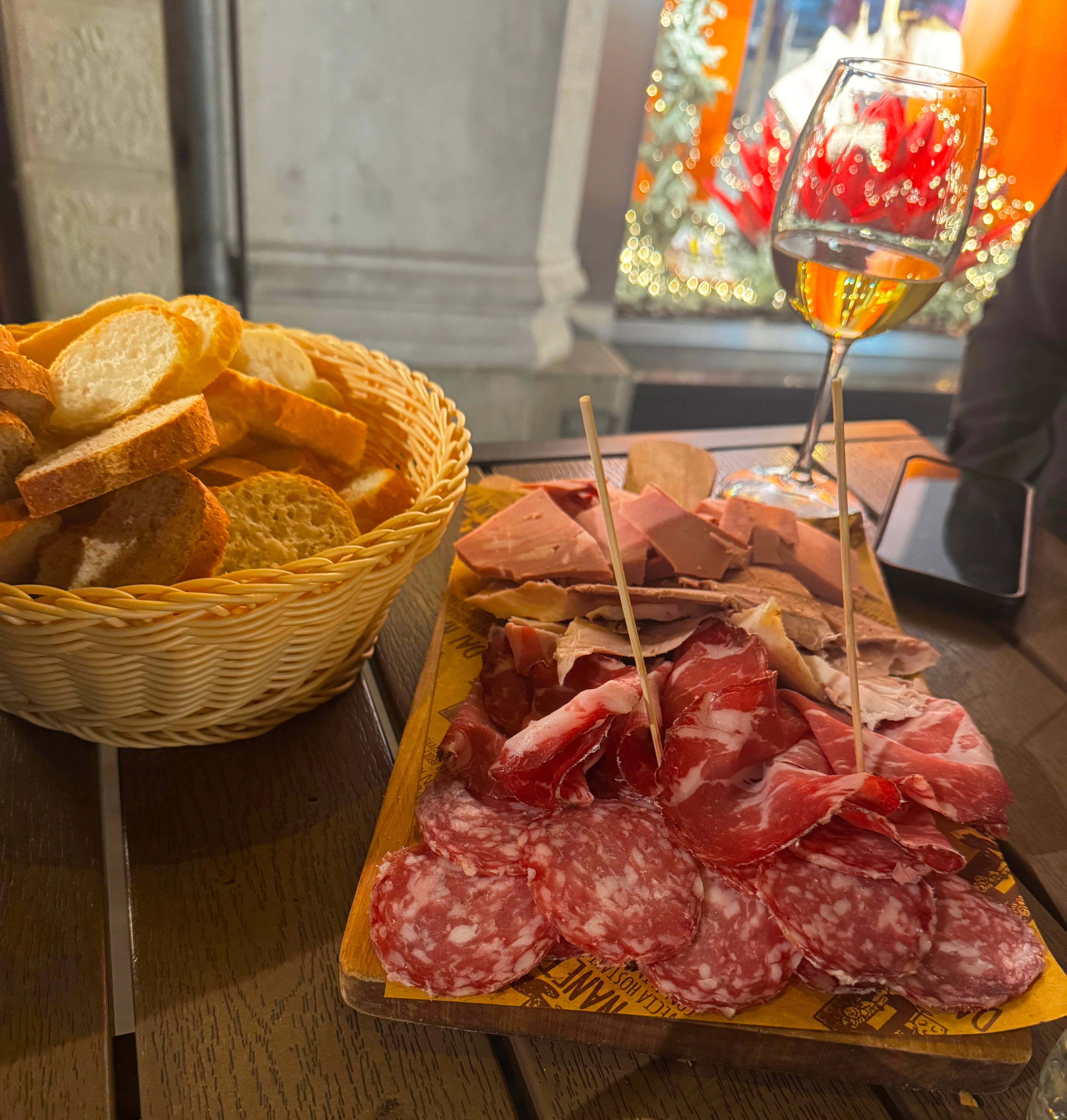
We stayed at a nice little business hotel - the Porta Altinia Suites. After checking-in, we followed a recommendation of our friend Daniele Bortolotti to visit Dai Naneti, a casual osteria known for salumi and natural wine. We were always asking locals for Prosecco recommendations, and they often would bring us champagne-method sparkling wines from Alto Adige. Apparently, local Proseccos aren’t trendy with the younger drinking crowd in Italy.


We didn’t have dinner reservations, so we walked over to a small, local osteria for pasta e fagioli and bigoli with duck ragu. We enjoyed these two dishes on menus all over Veneto. The kind server gave us a list of restaurants to visit, including Tocai (where we had life-altering tiramisu), Osteria al Botegon and Cantinetta Venegazzu. We drank local lager at Quei Turbo Ragazzi, a lively late night spot for beer and spritzes. Finally, we searched for an open late night kebab spot, to no avail.
The following morning, we got back in the car and drove to Verona. Follow along via our Google map, here. More next time!
Bring Veneto to you
Drink the alpine whites of Friuli - ideally varietals like Ribolla Gialla, Friulano and the perfumed Malvasia.
Make a proper spritz at home (Paulina enjoyed Select spritzes on this trip). Pair with olives and a bowl of potato chips for proper aperitivo hour.
Perfect your simple risotto at home.
Listen to Vivaldi.
Watch Indiana Jones and the Last Crusade.
Ciao ciao,
MGTG