


Hi, friends! Chef James here.
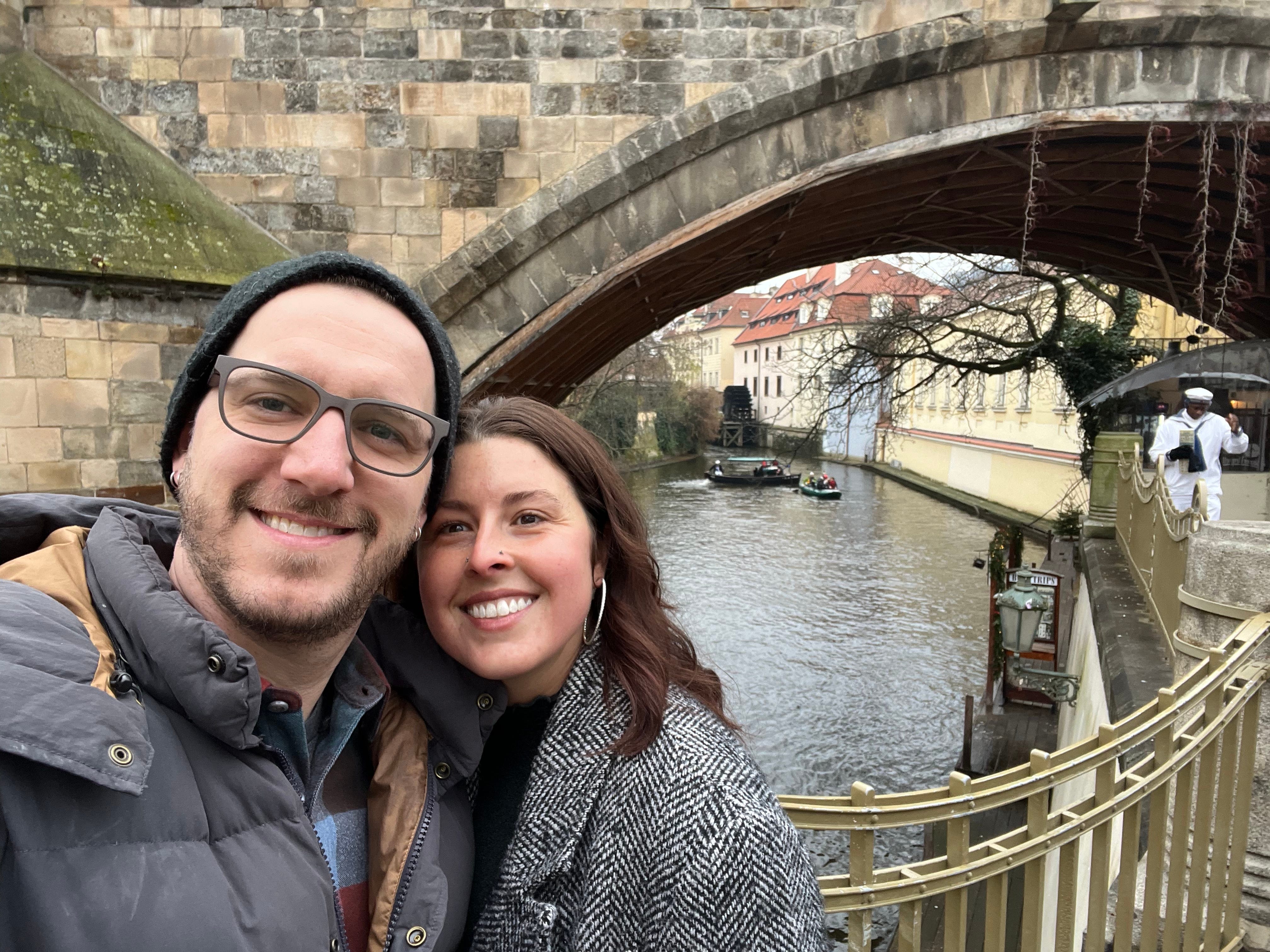
I had heard great things about Prague for a few years before I visited. Recommendations spanned from “great beer city” all the way to “favorite city in the world”. In December of 2022, I spent four nights there with my girlfriend Sam and it has lived in our minds as a place we both dream of revisiting.
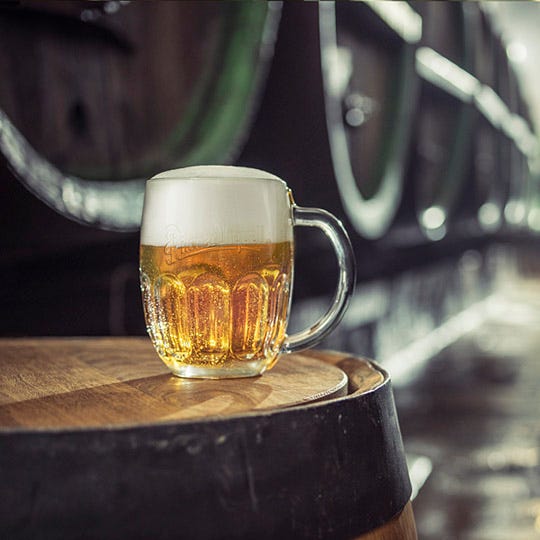
Sam is not the biggest drinker but found herself completely in love with the beer culture here. You can thank Pilsner Urquell. It’s hard to even start talking about Prague without first talking about Pilsner Urquell. It’s like holy water at the Vatican. If you don’t drink alcohol, I still recommend Prague. But it is a drinking culture for sure. So plan accordingly. Pilsner Urquell is a brewery dating back to 1842 and from nearby Pilsen, in Czech Republic. If you have the time, you can take the train and tour the brewery. But if you don’t visit Pilsen you will still have access to the best and freshest beer in Europe as they truck it in to Prague CONSTANTLY. Czech Republic ranks #1 in beer consumption per capita and you will too, when in Prague.
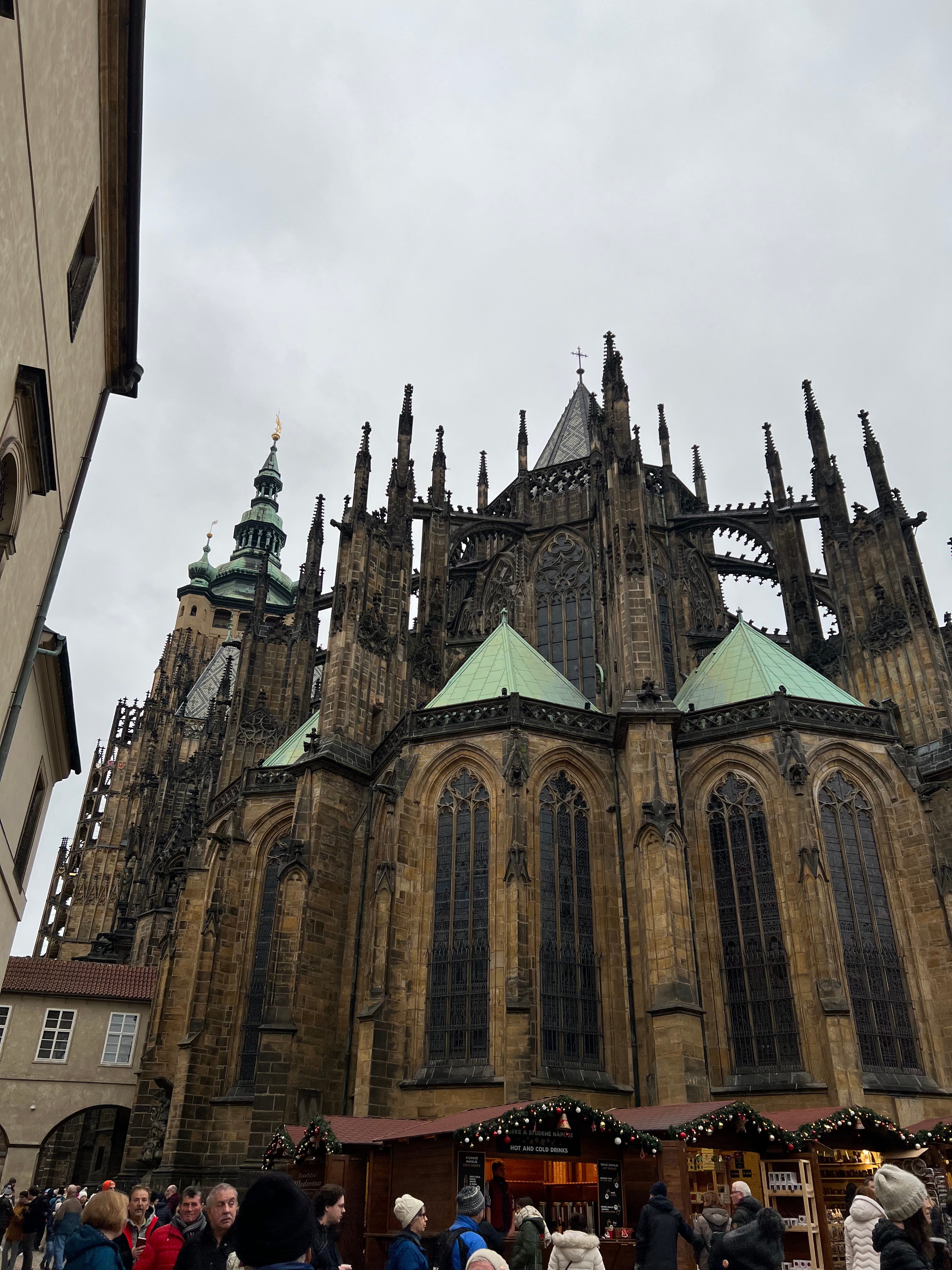
Czech Republic was part of the Soviet Bloc as Czechoslovakia until 1993. That is extremely recent history considering the depth of this region. From the 9th century settlement to its golden age in the 14th century alone Prague has had many lives. Speaking of the 14th century, this is when its castle was improved and fortified into the gothic style representing what it is today. In fact, it’s the largest coherent castle complex in the world. I say this because it overlooks the city and will be a backdrop of much of your stay. Its mood and romance can’t be overstated. I kept thinking to myself: Prague is the type of magic that Disney tries so hard to replicate (but can’t).


What I found interesting about the food scene was that the creativity in restaurants was born out of interesting circumstances. Yes, the region has centuries of influence, hunting, foraging, preservation, and farming. But under the Soviet Bloc influence menus and restaurants were nationalized with meals being only for sustenance. This means the food scene and Chef community didn’t take root in businesses until the 90s at the earliest. I found the current food scene and food culture fascinating. Distant from other European cities that have centuries of restaurant history. Some meals felt very rustic and to-the-point. Meat, potatoes, beer. But many places were putting their thumbprint on the region. Whole animal butchery, dry aging, offal, hyper local wines from Czech and Austria. This modern era of chefs embracing their history while looking to the future is best represented in the small pub chain Lokál. Started in 2009, Lokál has grown into multiple locations across the area. I feel like so many chefs in Prague worked for Lokál and spun off into their own concepts. You can often trace the food scene back to Lokál. It’s hard to find a better beer in the city than the pours at Lokál. I would almost insist you start your trip in one of their locations.
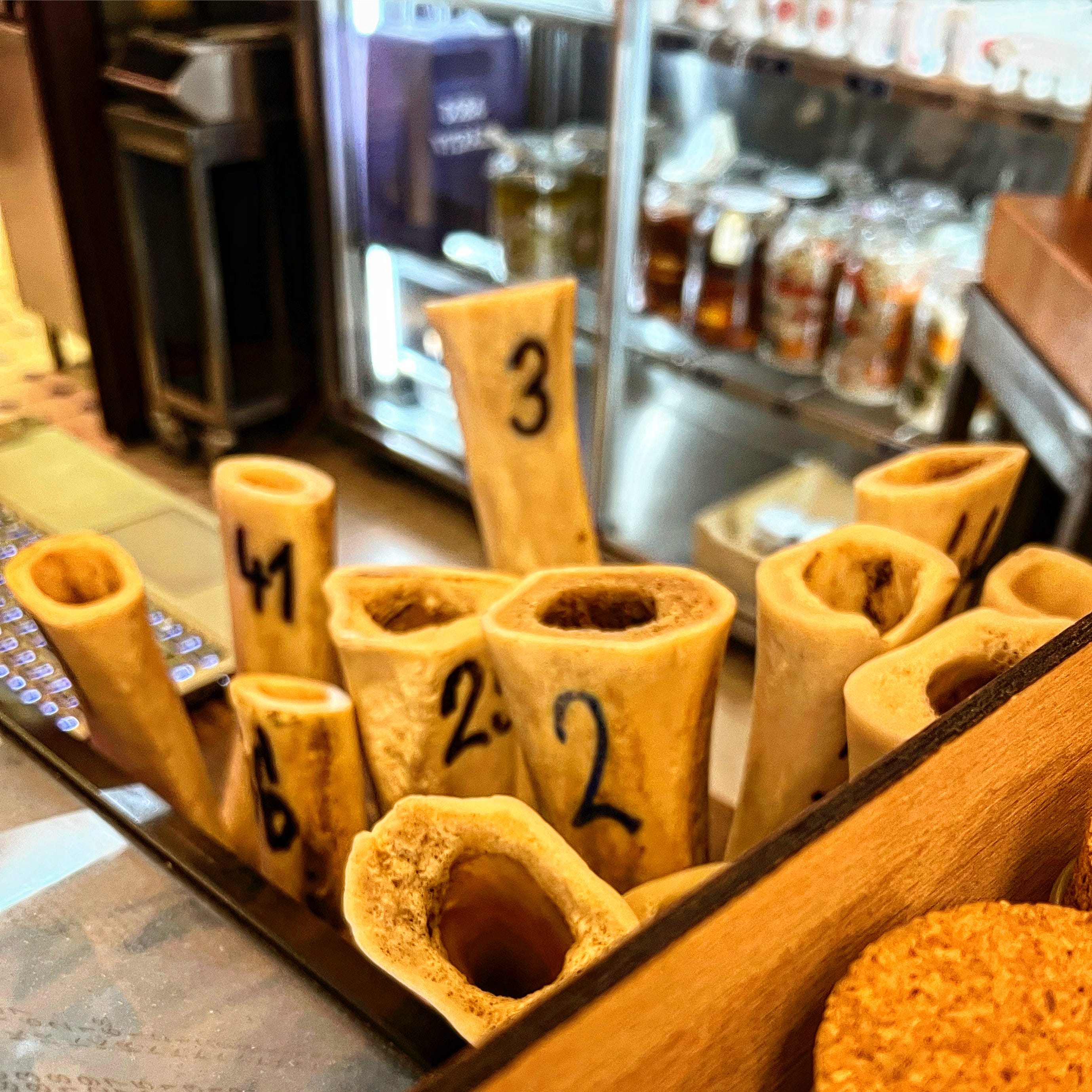
Next I must mention I have a secret weapon in Prague. My friend Martin. Martin is a chef by trade and now official tour guide of the best the area has to offer. Much like Anais Martinez in Mexico City, Martin is an absolute MUST when visiting Prague. Book with him as soon as you know you’re visiting. Make his food tour the first or second thing you do. One of my cooks, Nick Stapleton, is in Prague as I type this and just finished his tour with Martin. Martin ignited my interest in the Prague food history and will show you more riches in one day than multiple visits on your own could accomplish.
Ok. Now for logistics.
Getting there…
You will have to layover somewhere. Paris, Amsterdam, London, Vienna. While I LOVE Prague I think you can get a lot of value out of 4 nights there. So if you have a weeks vacation, maybe turn your layover into a 2-3 day bonus city. My cook, Nick, for example is doing Prague, Champagne, and Paris in 8 days. I think that’s perfect. More on his trip below.
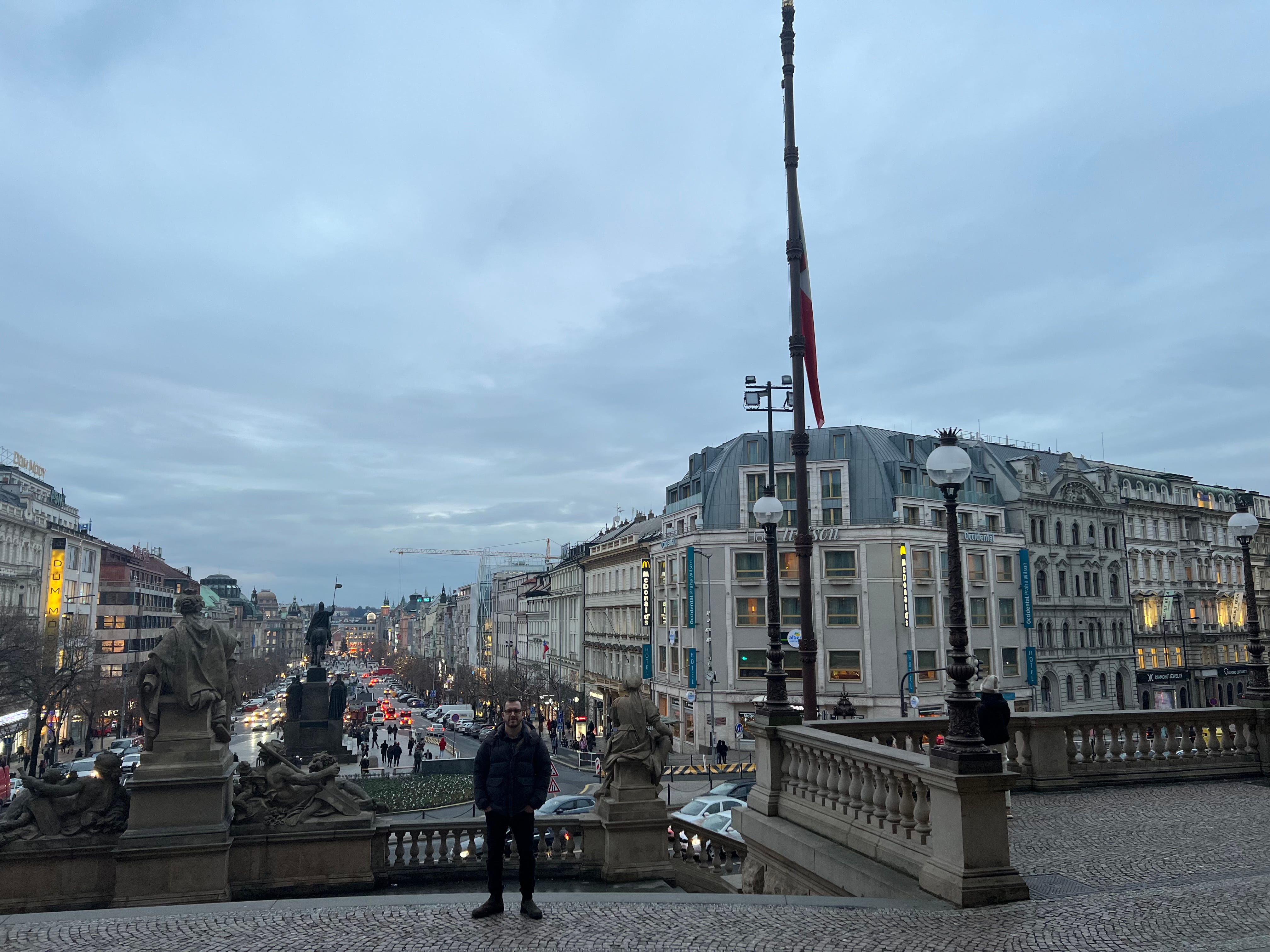
Getting around…
You will not need to rent a car. In fact, don’t. Stay in the old town and walk everywhere. If it’s winter just turn your walks into pub crawls or Christmas Market strolls. If it’s summer, enjoy the exercise and sight seeing. The train is great and cabs are there if you need them. Or rent a bike. Easy breezy.
The currency is the Koruna and credit card was taken almost everywhere. But I always like to have local cash for small businesses and tips and such.
Lodging
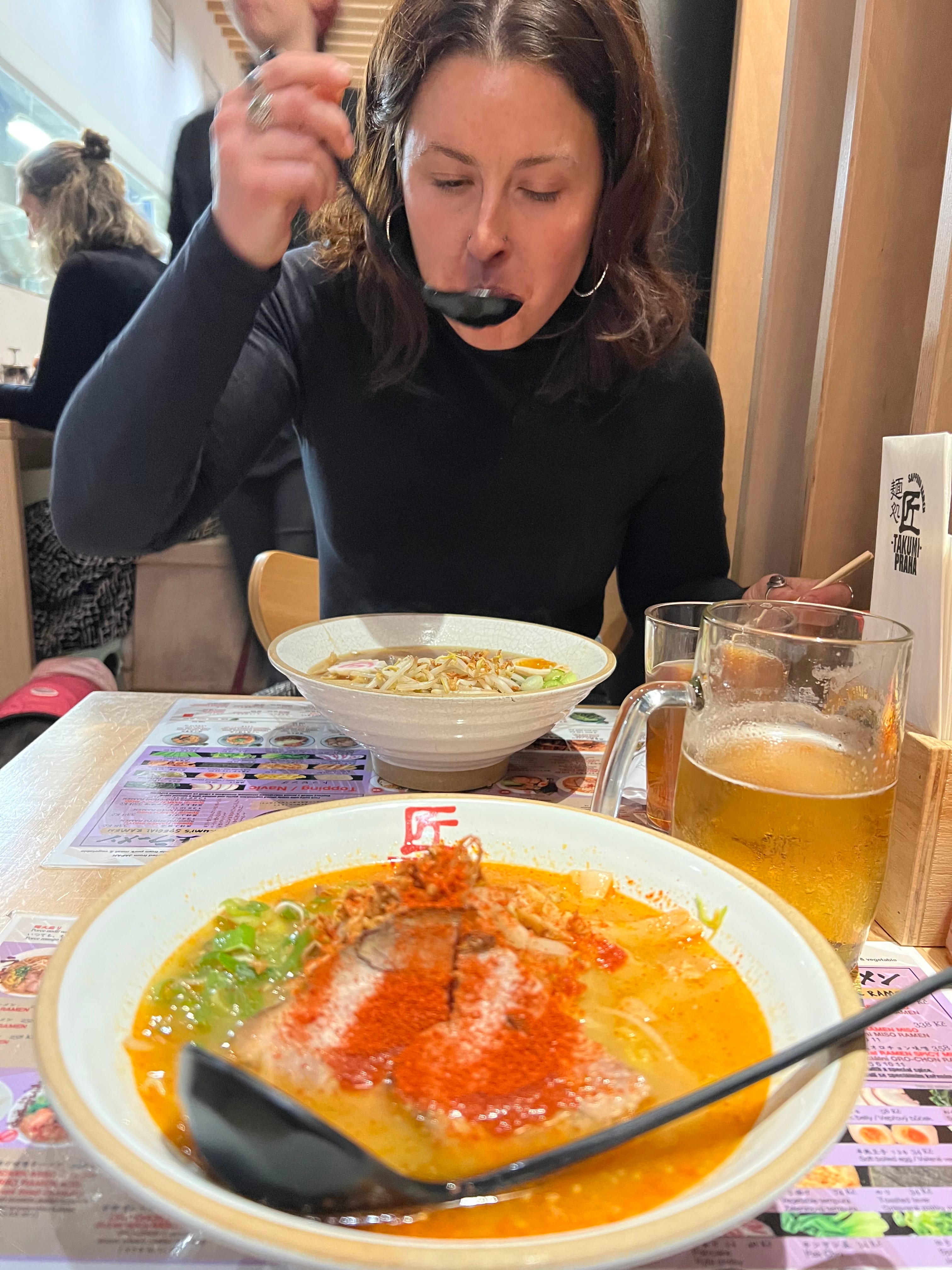
There are tons of hotels. We stayed here. It was a great location and had a delicious ramen spot across the street that cured the morning brain cobwebs (hangovers).
The people are very easygoing and the service is hospitable but don’t let the stern or stoic greetings catch you off guard. It’s rather traditional of the region to have a slightly cold expression even in service. Don’t expect the bubbly greetings many Americans are accustomed to.
My favorite places:
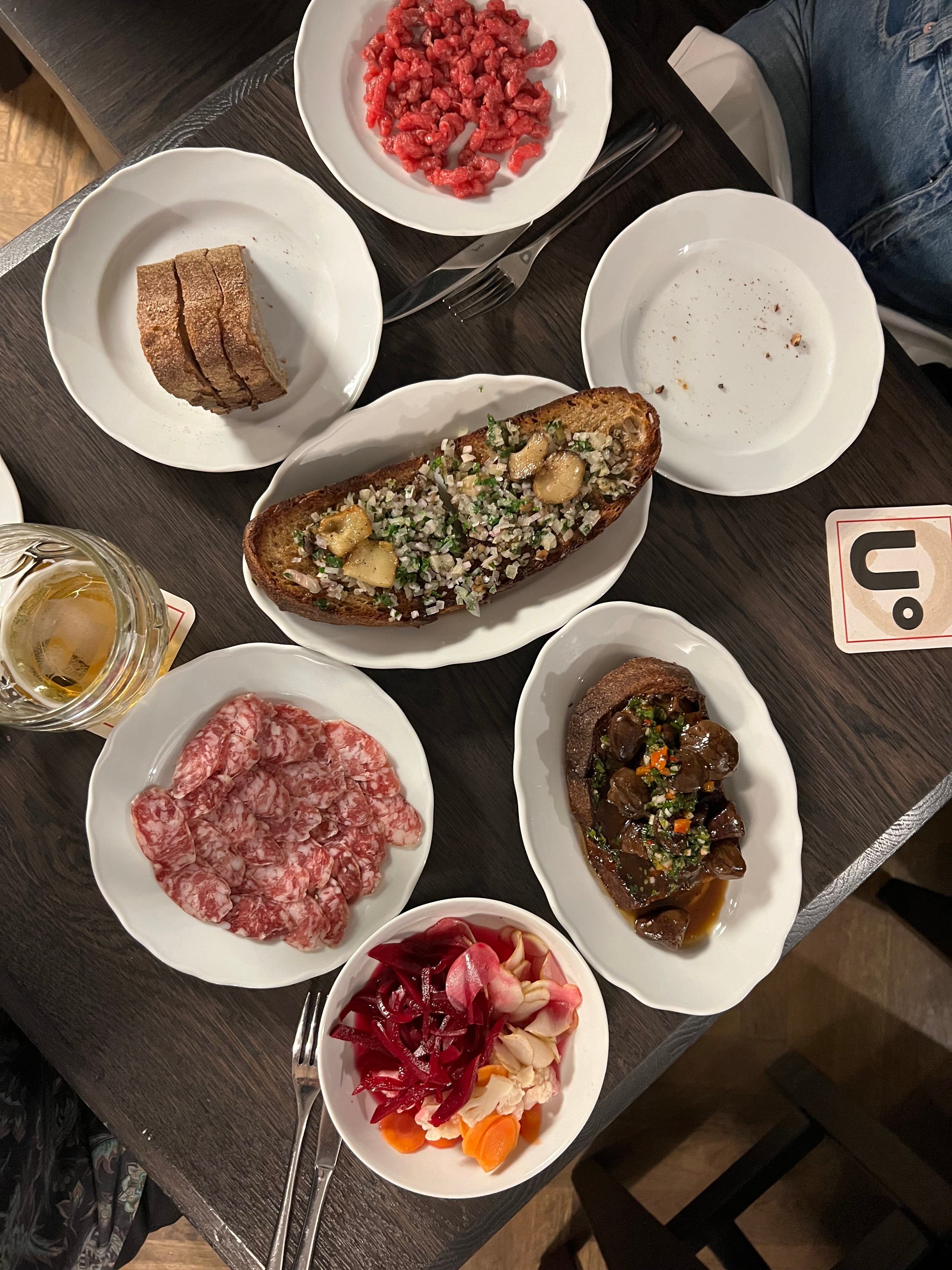
This was probably my favorite meal. The energy was young, the ambiance cozy and familiar but the food was dynamic and understated. Every offal preparation was perfect. I think of this meal often and feel that this restaurant is a great example of Prague today.
Everything you want a steakhouse to be. This is a perfect restaurant. A hybrid of beer hall, buffet, steakhouse and butcher shop this place just rocks. You’ll probably go twice.
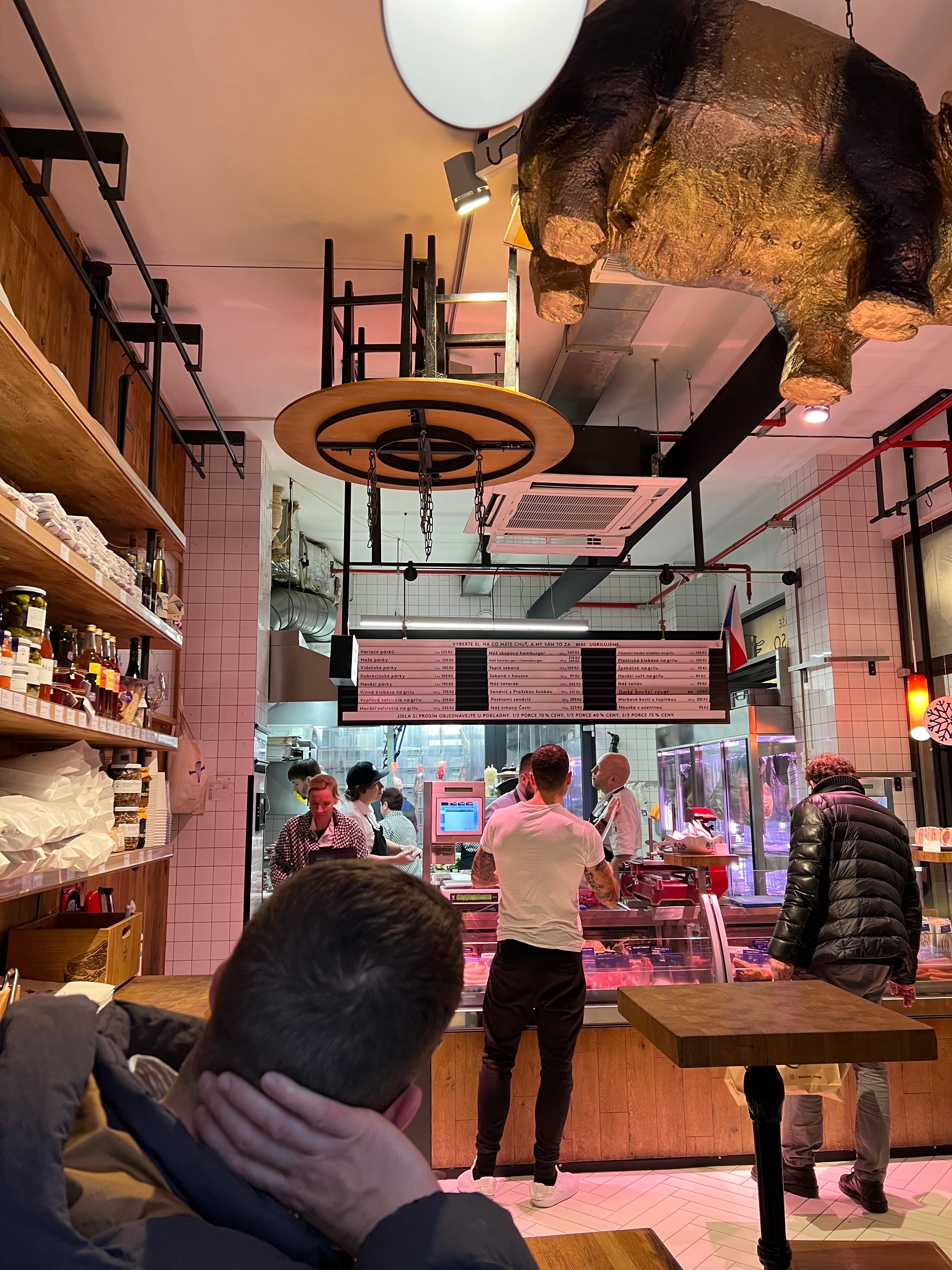
This place has gone viral. The burger is world famous. So you should go early. You order at a kiosk, get a ticket, and go inside to hand it to the counter person. Definitely get a beer as well. Also an incredible butcher shop. I’m sure you seeing a trend here.
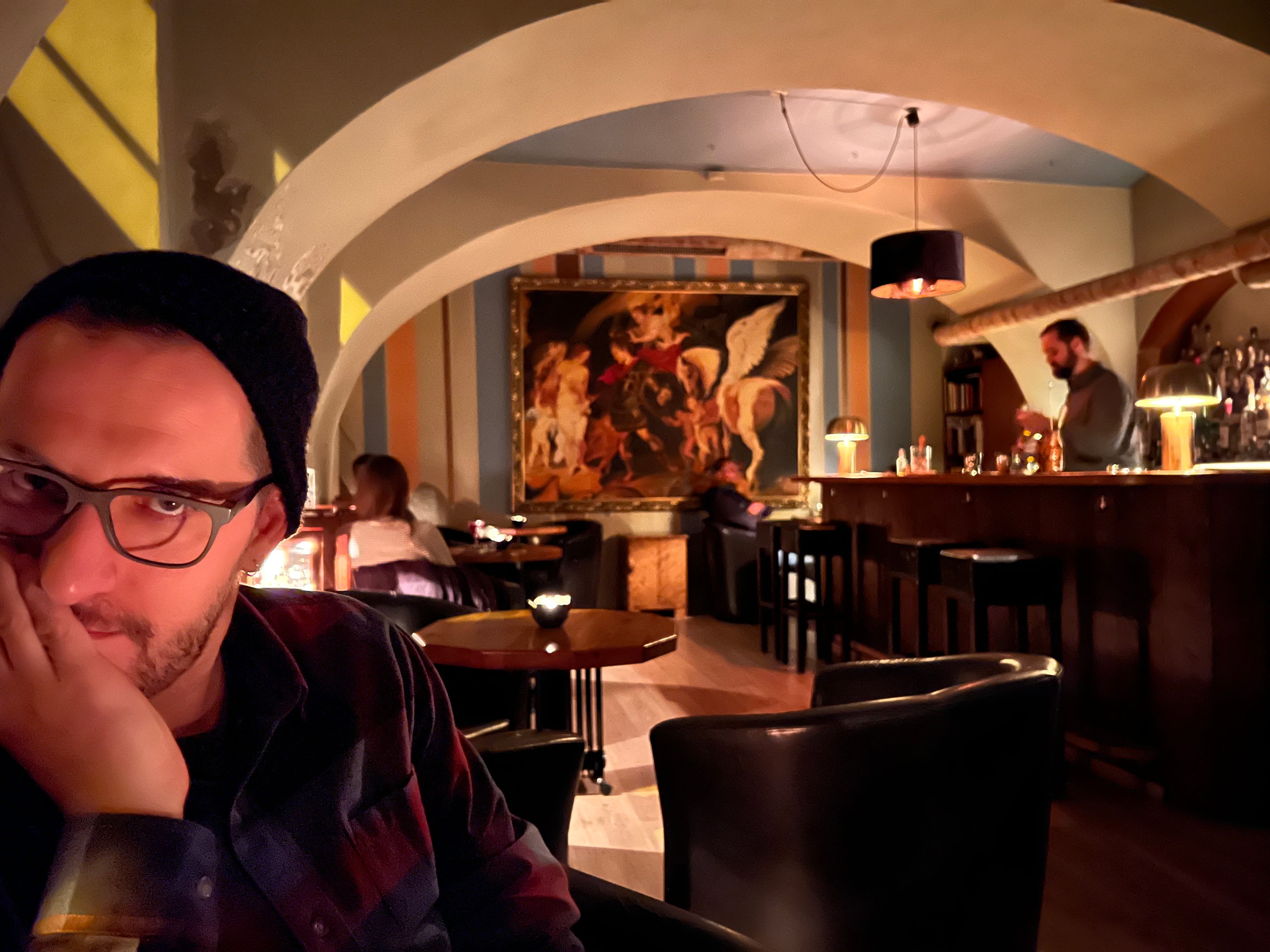
A quiet and cozy living room/library ambiance cocktail bar making the kind of nightcaps you dream of. This was a recommended place to us and stood out as high level destination for excellent cocktails in a town known for beer.
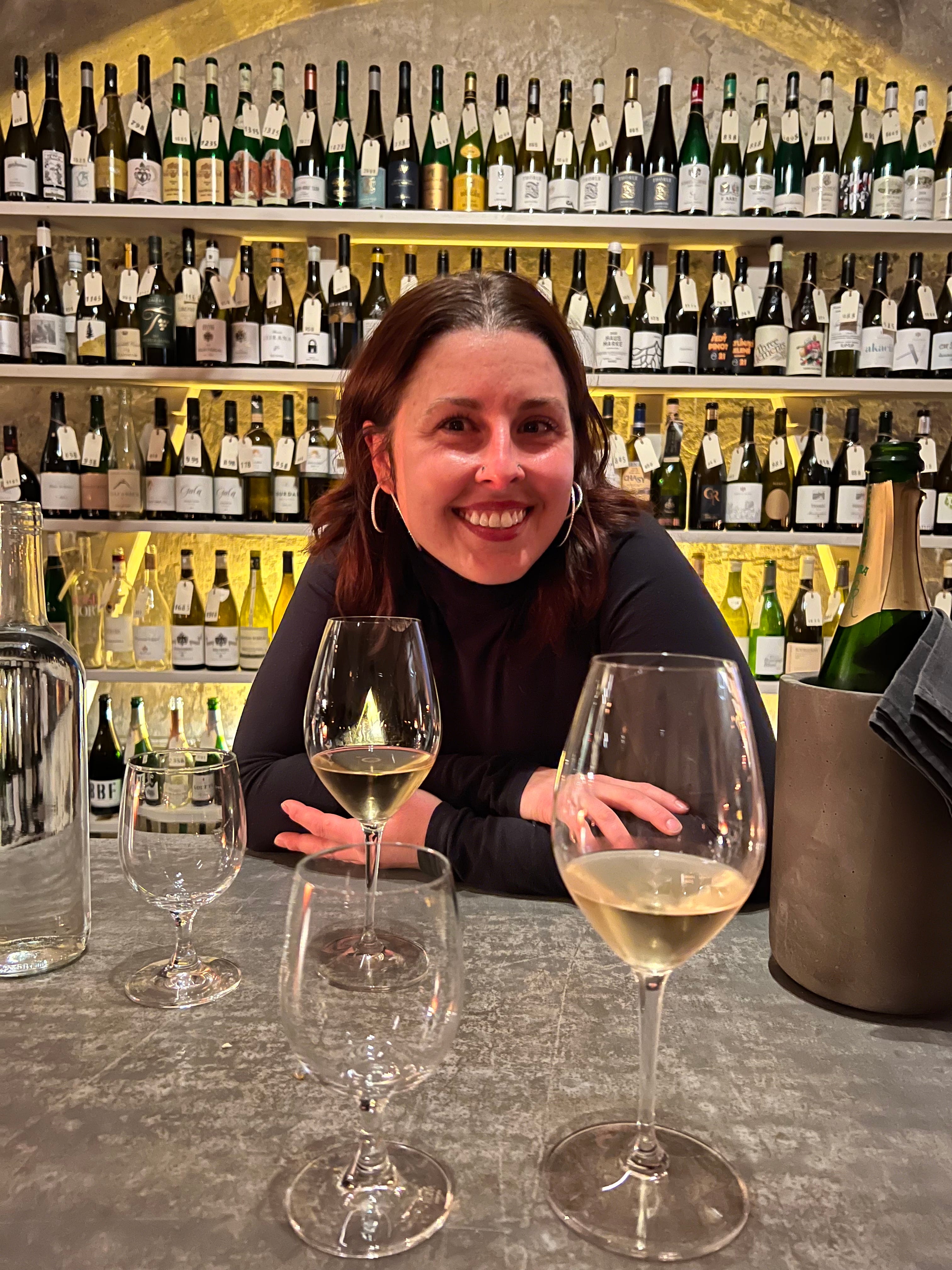
One of my favorite wine bars in Europe. This place was a heavy inspiration for the Mabel Gray wine cave. When you’re full from all the meat and beer, come here and drink the regions local wines which are underrated, affordable and excellent. Make friends. Ask for recommendations. Buy bottles. Tip well. Recharge.
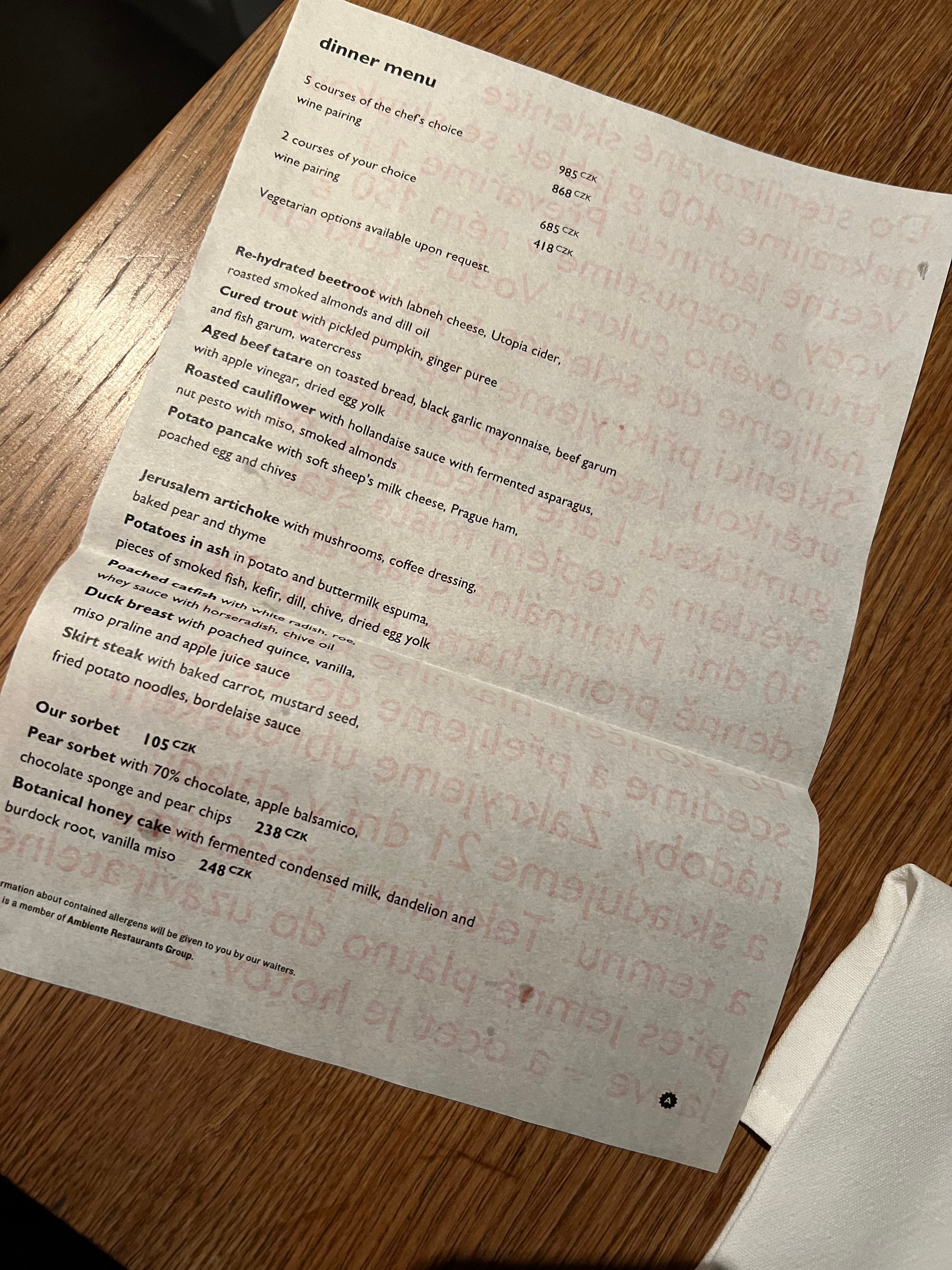
Eska serves breakfast, lunch, and dinner and is also a bakery. This place could fit in Europe anywhere from Galway to Rome. It’s a little lighter fare than the places I’ve mentioned so far and the bakery does a great job. At night they offer a tasting menu upstairs which was definitely worth going to.
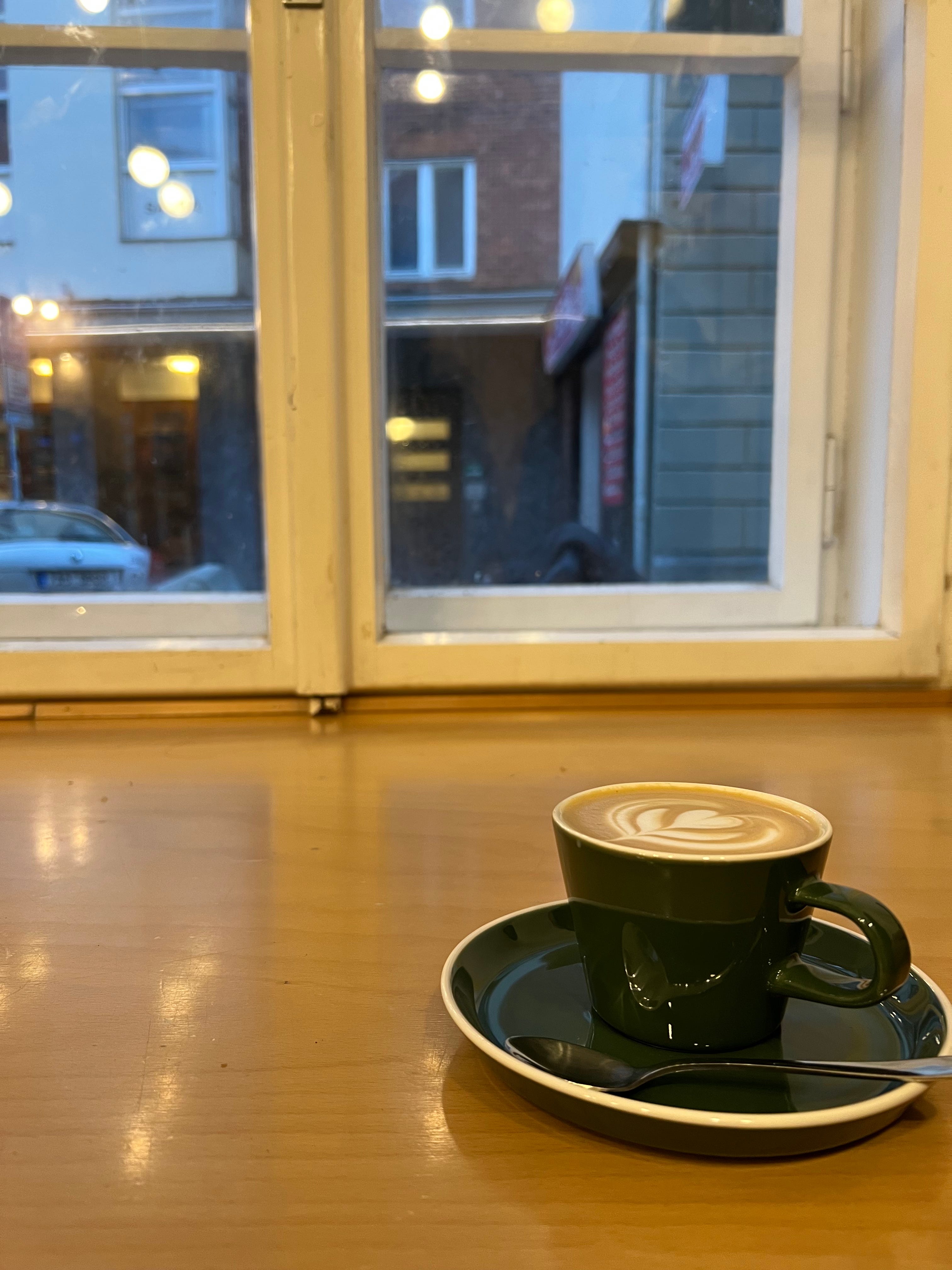
Delicious coffee. Tiny shop. Adorable.
Beer hall, classic cuisine, warm vibes. This is a comfort food destination that feels like a portal to another time. Not cutting edge in the food department but tasty and worth a visit and a few pints (or liters).
Martin recently messaged me his newest favorite spots. Reminder, Martin is an EXPERT in his field and I trust him blindly. Here’s what he said:
Alma (located in Hotel Cube) - modern Czech cuisine.
Sugo Pasta Bar - if you’re feeling like Italian cuisine.
Slice Slice Baby - I try to get pizza everywhere I go lol.
Taro - modern Vietnamese cuisine.
Dian - Vietnamese inspired cuisine. (Prague has a large Vietnamese population from a long history of migration between the two countries going back to the Soviet era. So if you see anything of Vietnamese influence or origin, it’s probably done well).
Forbína Bar - for cocktails.
Other activities (besides eating and drinking)…


While this is not why you follow my travel guide lol, there are a few other things to do in Prague other than eat and drink (I think).
Yes, you should visit the castle.
Yes, go walk the Charles Bridge.
Yes, the astronomical clock is sweet.
Yes, a 12th century old town square is worth a walk about.
Who doesn’t love a national museum!
(Editor’s note: Paulina studied the absurdist author Franz Kafka in college and would probably visit the Kafka Museum if given the chance).
More ideas and insights…
Check out this YouTube video by Drew Binsky. I’ve been following his travels for years and his earlier videos were very cool to watch. Drew loves Prague more than anything and his adoration is infectious. Warning: his food knowledge and palate are wildly unremarkable for someone who has traveled the world so always ignore his food opinions.
NYT 36 hours in Prague.
And a testimonial from Mabel Gray cook Nick Stapleton, who was visiting Prague as we wrote this guide:
“I loved everything about Prague. The fact it was so walkable made the experience such a fun juxtaposition to the US. The architecture and the history of the city is incredible.
I could write a three page report about how much I loved Pilsner Urquell. The normal pour in itself is a gift from god, but to chug a mlíko is an experience everyone needs to have. So sweet and creamy and not anything an American would imagine people doing on purpose. The beer here also paired so fantastically with the food here. I had some of the best pork in my life. A high-fat-content, slow-growing hairy pig.
I loved Czech wine. So crispy and fresh. It was very different on the palate compared to all the French and Italian stuff I’ve been drinking back home. A cold white was super enjoyable after walking around in the hot sun all day.
I loved the people here too.
I ran into a lot of young people working as sommeliers or mixologists. People around my age who were very passionate about what they were doing. Vilém of Forbína, Michael of Taro, and Juraj of The Banker’s Bar, to name a few. They had a great champagne selection at a bar called L’Fleur that was recommended to me by the friend I made at Forbína. Four very different glass pours of champagne from some smaller houses. My waiter did a great job explaining each one and its story.”
Bring Prague to you!
Watch Mission Impossible 1.
Read Kafka’s The Trial, The Metamorphosis, or The Castle.
Familiarize yourself with the works of Art Nouveau artist Alphonse Mucha.
Shop at beloved local butcher shops: Marrow, C-Roys or Fairway Packing.
Drink the crispy, fresh Pilsners at Urbanrest Brewing.