


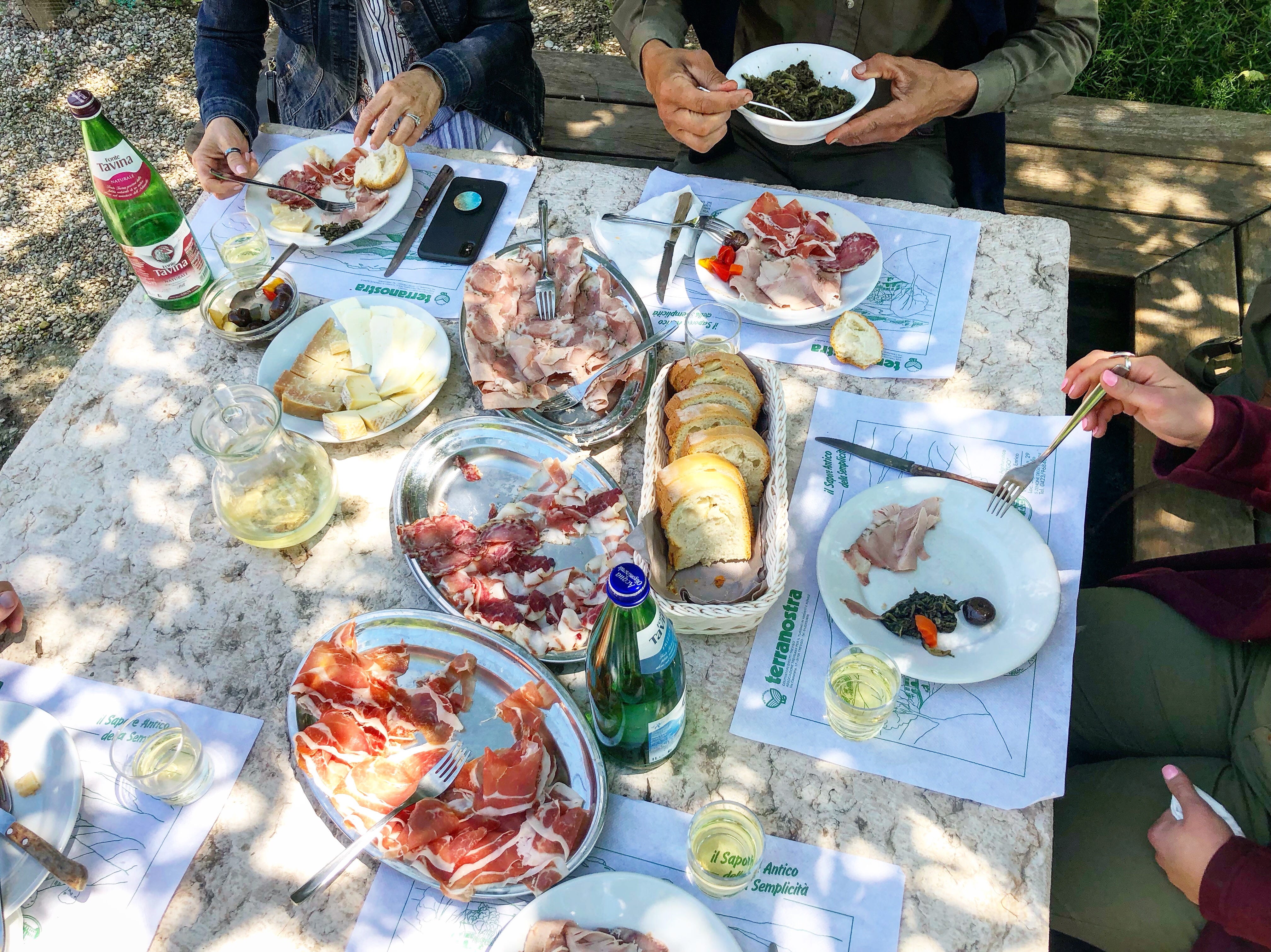
We’re gonna break our own rules right out of the gate. This is a broad post about Italy overall. We’ll get more specific in the future, I promise. But Italy varies drastically region-to-region and I would like to zoom out a tad and share my point of view on booking a trip and enjoying one of the most visited countries: Italy!
How to plan!
(^ Take a listen to a street walking accordion player in Palermo, Sicily).
First, take a look at what flights look like. Spend a little time getting creative with days of the week (if you can) and if there’s no direct flight, then what are the layover options? For instance, Detroit has direct to Rome in peak season, so that’s a no-brainer. But if I want to do a winter trip, I may need to get creative. If I have a layover in Rome but I’m heading out of Rome quickly, I may as well fly into a different location.
My most common trip to Italy is: fly into Rome, drive to Abruzzo for a few nights, drive to Bologna for a few nights, keep the car and explore Veneto’s small cities. Or, ditch the car immediately in Bologna and then train from Bologna to Padua, Venice, then fly home from Venice (Marco Polo Airport). Flying into Rome is pretty easy to navigate getting out of, but I find flying out of Rome to be a little more hectic than necessary. It seems like there are so many security and customs checkpoints as well as no respect for lines and the place always feels understaffed. Maybe it’s just me, but if there’s no direct round trip from Rome, maybe fly out of one of the smaller airports in the country. If you’re forced into layovers, keep in mind that different European cities fly into different Italian airports. Your trip could be: fly into Milan for a few days, hit up Bergamo, train to Verona, train to Bologna, train to Naples and fly home from Naples. Or fly into Venice, train to Bologna, rent a car, drive through Tuscany, end in Rome, fly home from Rome. Lots of possibilities. I like to region hop so I can pack as much flavor into my trip as possible. Venice isn’t too famous for its cuisine but Naples sure is. Visiting both is a fun look at two different worlds within in the same country. I think it’s a MUST to blend city and village time as well as coast and mountains. There are a million combinations of Italian experiences and you want to make the most of your trip.


What to do.
First of all, you want to eat well. Keep in mind that pranzo (lunch) is the biggest meal of the day. Sure, Michelin restaurants and big cities have serious dinner service, but the sooner you can tap into a big long lunch culture the faster you’ll understand la dolce vita. A typical countryside day of eating would be a simple pastry (or a mortadella sandwich if you’re an animal like me) in the morning with a cappuccino (before 11 to avoid weird looks, as locals don’t do cappuccinos after breakfast) usually while standing at the counter or sitting on a bench or table outside. I like to drink one cappuccino a day followed by an espresso immediately. I will end up having a few espressos throughout the day. After the quick bite I’ll explore a bit. Walk the city, visit some churches, hike up a mountain trail, visit a wine shop, walk some markets, people watch a little soccer in the park or just chill in a piazza at a fountain or something. Work up an appetite. Around 12:30/1 PM, I’ll head to a restaurant where I most likely have booked a reservation in advance. Pranzo is often a four-course meal with wine. It’s ok to start with a spritz, if you’d like but I usually reserve spritzes for after lunch and all the way into the evening.


Italian food is hyper-seasonal. Depending on when you go, you may see a lot of the same ingredients. Mushrooms, wild asparagus, artichokes, citrus, chestnuts, fennel and so on may make many appearances on a lot of your plates. This is a good thing. Peak season eating is la dolce vita! Tipping culture isn’t as popular there, but always appreciated, unless it’s a high-end restaurant with service charges baked in. It’s ok to ask. After lunch you may need a nap or a walk. You can keep the party going and head to a tabaccheria to smoke a cigar/cigarette, drink spritzes or amari, have an espresso and hang out. Or all of the above! I could do that all day. Or maybe head to a wine shop or winery between meals. In the evening, I like to eat more casually. Pizza, arrosticini, tavernas, cafes. Something fun, social, warm, packed and open late. Dimly lit, brick-paved alleyways casting long shadows with the chatter of an outdoor group of Italians arguing about soccer, passing two lovers kissing while locals close the shudders in the apartments above is a magical scene. Very romantic. And a big part of why you’re there.


Where to eat.
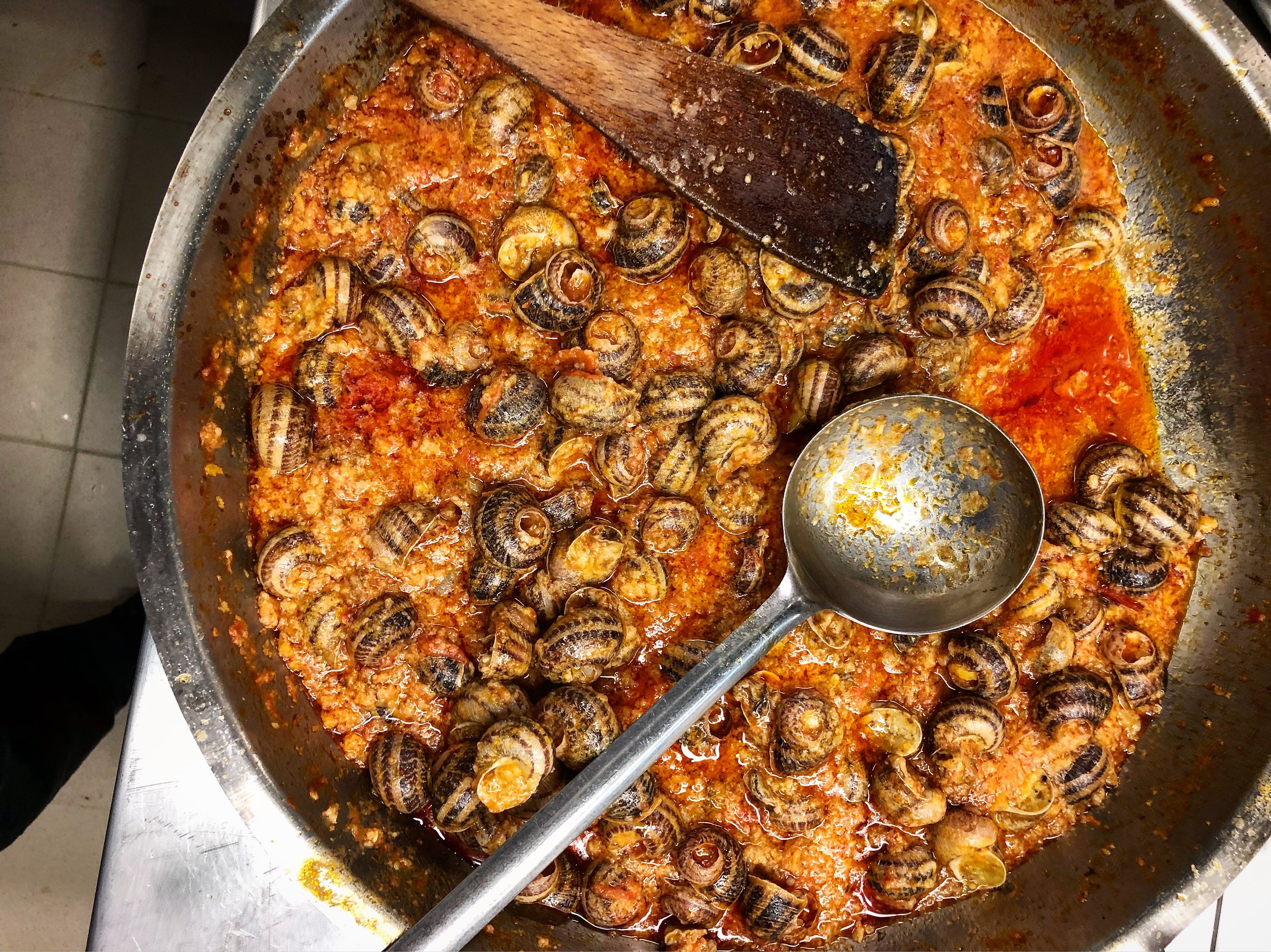
bars are more commonly considered to be cafes. They’re for early in the day, coffee-based hangouts with prepared foods. Don’t expect late-night pub vibes if you’re google searching ‘bars.’
osterias are akin to a bistro - once upon a time they were considered wine-focused, now known a casual mom & pop restaurant with home-cooked food and a warm atmosphere.
trattorias are family-owned establishments implying recipes that have been passed down generations. Osterias and trattorias can be considered modern synonyms.
tavola calda or ‘hot table’ is like a cafeteria featuring ready-to-eat food.
paninotecas are sandwich shops.
Autogrill is a famous Italian rest stop franchise that is beloved, and reliable. I think they offer the best espresso while traveling because the machine is always in use.
mercatos are markets - typically open-air markets that are social hubs for the community, often serving anything from food truck porchetta to fresh produce and antiques.
pastificios translates to a pasta factory - some offer dine-in options while others are for buying fresh pasta in bulk.
pizzerias can be small and carry out only, but they vary greatly in style based on the region, so do your research.
enotecas are wine bars; you may find cold plates but nowadays it’s a focus on wine. However please note, aperitivo is very common - when you order a glass of wine, a snack will accompany. Maybe wait to see what’s being served before ordering off the menu.
pasticcerias are pastry shops.
salumerias are retail stores featuring ready-to-eat charcuterie. Can be combined with a butcher shop, but usually kept separate.
It’s all about the food and THIS is why you’re here. I think it’s important to have at least one meal reservation each day. You can fill in the blanks pretty easily. If you’re in a big city with many options, that also means increased competition for reservations. If you want to eat somewhere you saw on Stanley Tucci’s show or TikTok, you’re not alone and you probably need to set an alarm on your phone to book it the moment it opens. Italy is six hours ahead of NYC so if reservations open at 8 AM, you’ll need to book at 2 AM Eastern Time. I can’t recommend the food writer Katie Parla enough. Katie is a great resource for restaurant recommendations. She writes the Eater Rome list and her cookbooks are also excellent. Ann Delisi and I had her on our show in 2023 and I’ve taken one of her food tours to Testaccio Market in Rome.
If you’re an adventurous eater, Testaccio is one place where you can find pajata. If you’re not adventurous - skip that link. Regardless, I recommend you deep dive Katie’s website and food guides. They’re a great intro to real food in Italy. Michelin Guide has a lot to say about Italy, as it is the second most awarded country with Michelin stars outside of France. There are tons of bib gourmands and 1-stars, about 30+ 2-stars and 13 3-stars. I’ve eaten at a variety of them. La Pergola in Rome is opulent and expensive but I would say worth it if you’re looking for a landmark place to celebrate an anniversary or retirement. The Waldorf-Astoria in Rome is pretty damn special and La Pergola looks over the city in a way you’d imagine an emperor watching a sunset thousands of years ago. They also have their famous water menu, which I chuckled at upon first glance. But I quickly discovered it’s an incredible history lesson on one of Italy’s most precious and storied resources. The mineral content, construction of aqueducts, and varieties of water options were fascinating and I debated stealing a copy of the menu, except it’s huge. Don’t @ me. Other than that, (and prepare yourself for this…) I find Michelin dining in Italy to be pretty disappointing. The Italians excel at ingredient-forward, seasonal, classic old-world cooking and the pursuit of Michelin’s approval usually f*cks that up. Or “Frenchs” it up, which is even worse (I kid, I kid…👀). The best meals I’ve had in Italy are always somewhere surprising. Make some reservations at old-school regional pranzo restaurants and once your mind is blown at one, ask your server or maitre’d where else you should eat. I do recommend you try one Michelin spot so you can see and compare for yourself. I’m sure some are excellent, and fine dining can be fun. Just don’t make your itinerary a Michelin relay race, please.


When to rent a car (and when not to).
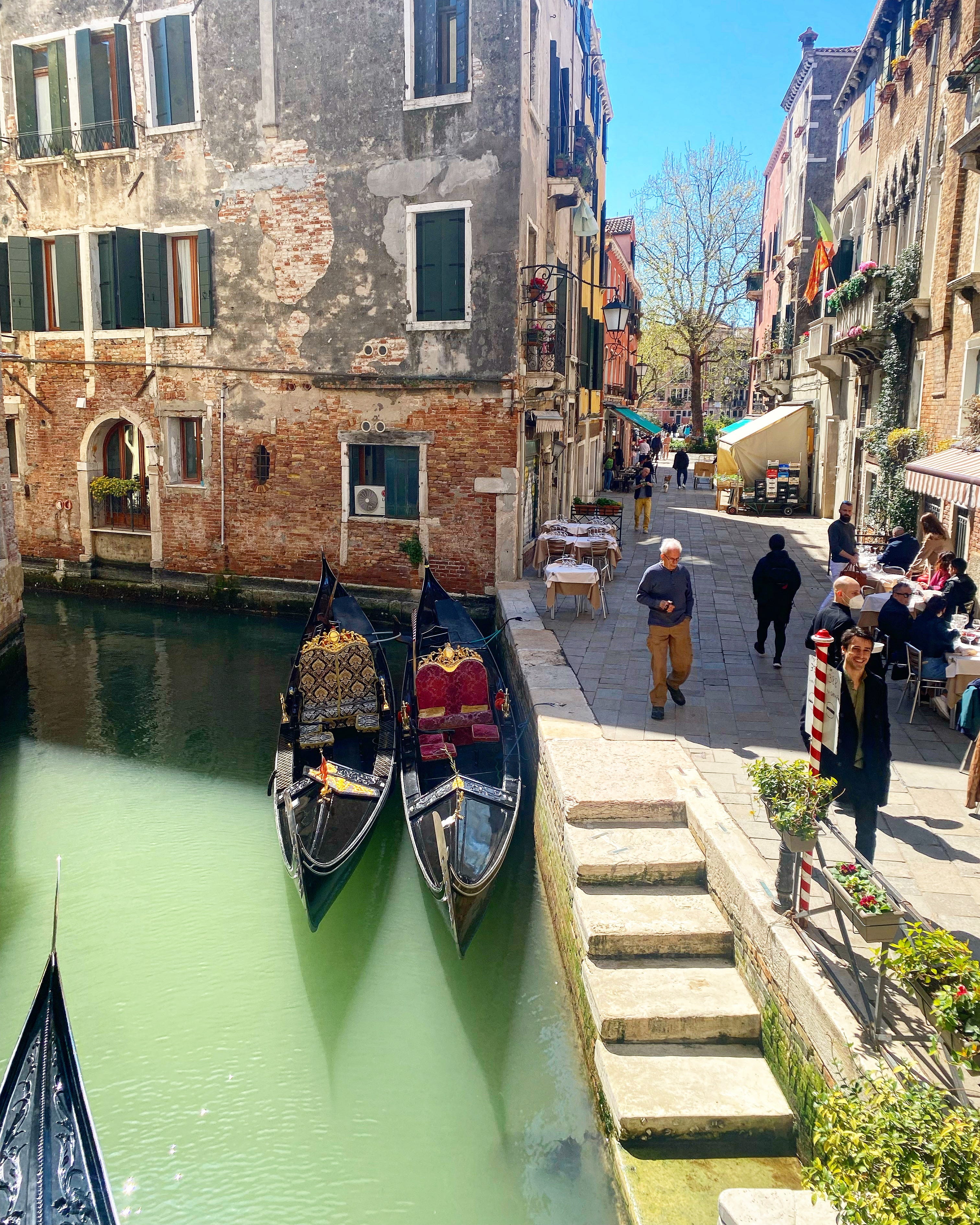
The trains in Italy are pretty badass. But they don’t get you everywhere. Abruzzo, for example, is one of my favorite places in the world and the train DOES NOT get you very far there. You’ll need a car. The autostrada (highway) also operates off tolls. So that’s not cheap either when you factor in car/gas/parking/insurance/tolls. But the tolls usually keep traffic lighter and can be a time saver for getting to different areas. I can’t stress enough that you should do a combo of big city/village/winery/seaside. Italy is pretty accessible and the variety of destinations will help you feel connected to the food, people, and history. I cringe when I hear people say “we did Rome, Florence and Milan, only”. Those are all very beautiful places. But unless you’re an art history professor on a work trip, you’re leaving a lot of Italy on the bone. Get in the country. Go see a castle. Visit a medieval walled village. Drink out of an aqueduct fountain. Drive through olive groves, along fields of artichokes, hike down to a waterfall, visit a centuries-old restaurant, and make friends. And for all that, you’ll most likely need a car. But pick one up and drop it off based on your itinerary. Don’t park it at the hotel for 4 days. Use it while you’ve got it and then drop it off and go back to the train life. I’ve picked up in Rome and dropped off in Bologna or Mestre or at an airport plenty of times. Maybe 4 days of trains and 4 days of car would give you some nice variety and keep the cost down.
Costs.


Italy isn’t cheap and the big cities are the most expensive. Food is pretty reasonable as is wine. But flights, hotels, gasoline, taxis, shopping, museums, and tours can add up quickly. I’ve backpacked Italy for 2 weeks solo and trains and tiny hotel rooms are cost savings. But when traveling solo, it’s difficult to try multiple plates at a restaurant or kill time late at night in a small town without speaking Italian. I think a group of 4 is a great number. Everyone can fit in a sedan, food and bottles of wine are easy to split, two hotel rooms are split between the “couples” and it’s probably enough people for most private walking tours or winery tastings, etc. I think the biggest cost savings is scheduling your trip. Smart flights in-and-out and avoiding peak season inflation will be your best bet for saving money.
Regional cuisine.
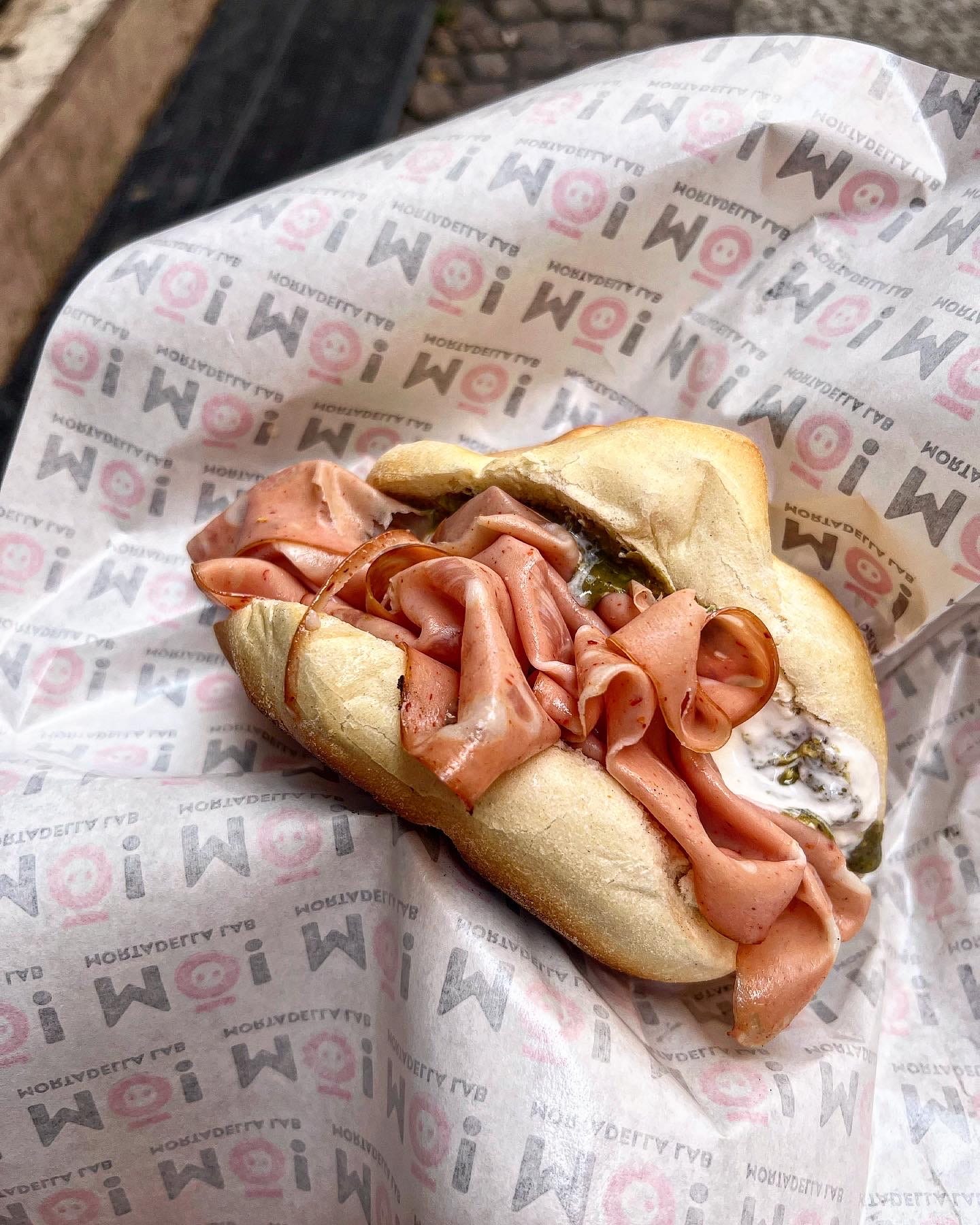
To my earlier point, don’t stay in the big cities too long. The regionality is best expressed outside of the metropolis. Research where you want to go and then what foods you expect to find. You won’t find much Milanese in Palermo and the mountains of Abruzzo aren’t famous for their couscous. Where you’re going and what time of year will tell you quite a bit about what you can expect to eat. As a rule of thumb, Emilia-Romagna is very famous for food tourism. It’s the “bread basket”. Parmigiana Reggiano, Mortadella, Balsamic, Tortellini, Lasagna, Bolognese, Cotechino, Tagliatelle, Lambrusco all come from here. This is a great option if you travel on your stomach, like me. And has great proximity to other regions.
Drinking culture.
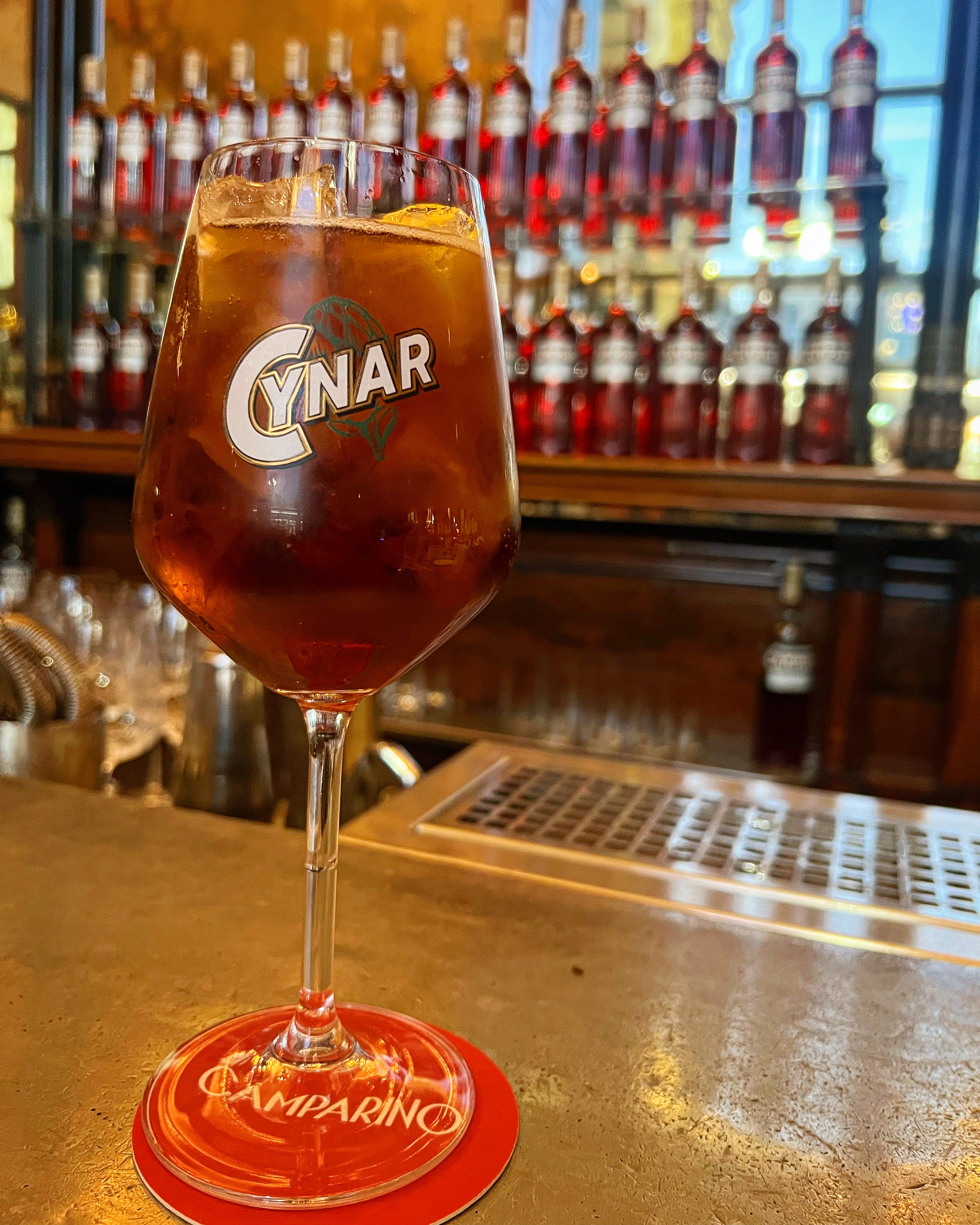
Italy is very relaxed with alcohol consumption. It seems like everywhere will sell you a spritz or an amaro at any time of day. Although alcohol is served at nearly every meal or snack, binge drinking and public intoxication is rather infrequent. If you’re sober, I still think Italy is a wonderful choice. But be prepared to turn down lots of wine and alcohol that will be offered to you. It’s a kind gesture, but can be fatiguing for the newly sober. If you do drink, I actually prefer a Cynar spritz or Averna spritz over the traditional Aperol. Note that, depending on where you are, but just ordering a “spritz” may lead to a local variation or interpretation of a spritz. For instance, in and around Venice, it’ll be Select Aperitivo and not Aperol. So when in doubt say the full name of what you’re looking for. And try a Cynar spritz for a more bitter alternative.
Bitter is better.
Speaking of bitter! I am in love with Italy’s celebration of the bitter flavors. Chicories, amaro, sour orange, dandelion greens, rapini, espresso, artichokes, grapefruit, arugula (the real stuff, so spicy and bitter). Italians know the digestive and nutritional benefits of antioxidant packed bitter foods better than anyone. No wonder the Mediterranean diet is a celebrated one! But you can expect to be challenged if your palate is heavily Americanized. The first bite of radicchio may feel like drinking orange juice after you just brushed your teeth. But you will learn to love the intensity and feel the gut benefit of all things bitter. Too full after a meal? Amaro. Pastry too sweet? Espresso. Rich cheese and almonds a little heavy on the palate? Arugula and citrus. Lean in baby. Cause if you’re going to Italy, the bitterness is waiting.
Moped tours.
(^ Views from the back of a moped in Naples).
If you’re of age and mobility, I highly recommend finding a moped tour and being a passenger for a city ride. This is the absolute best way to see a city. Out of the confines of a vehicle, your head on a swivel, feeling every brick and cobblestone along each alley and seaside road bumping beneath you. The guides are usually experts on where to eat and avoid tourist traps as well as show you parts of town that you can’t easily reach by foot. I’ll also have them drop me off somewhere interesting so your tour can double as a taxi destination (within reason).
Some of my favorite Italian destinations:
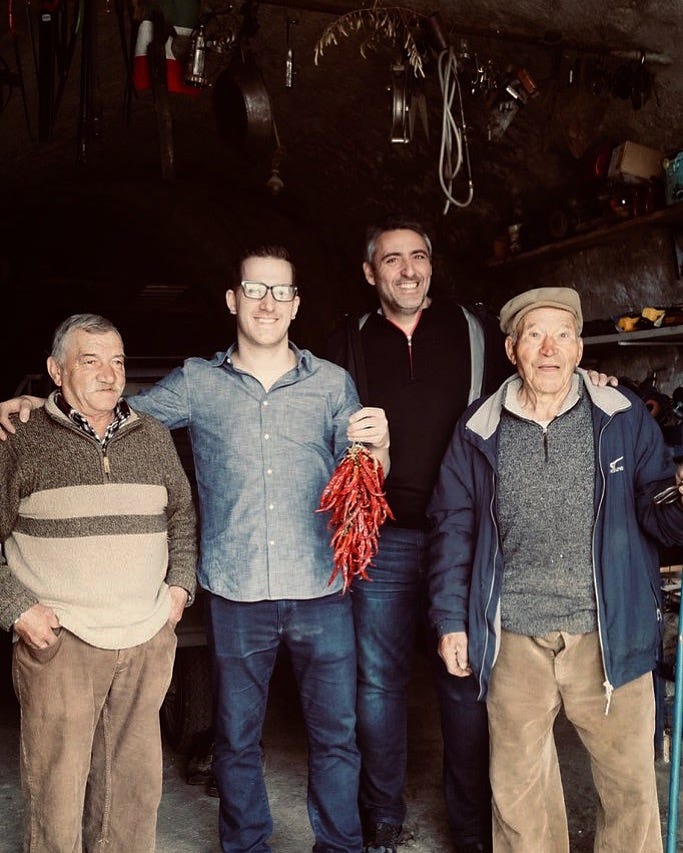
Abruzzo
Specifically, Sulmona. It definitely helps that my friend Luciano introduced me to this medieval village on my first trip to Italy (here’s a documentary about our time in this region). I have been back many times and love the accessibility, humility and rustic cuisine. Don’t skip Scanno, Barrea, Pacentro and Pescara if you have a car.
Ristorante Gino is my favorite restaurant in Sulmona. It is also an inn with a few rooms. Stay if you can.
Bergamo
Città Alta is the historic district, which is incredible for walking and exploring. The upper town is a UNESCO World Heritage site for massive Venetian defensive systems (it’s a walled city). Easy way to enjoy a day trip 25 miles northeast of Milan. They are famous for polenta.
Naples
If you like Mexico City meets New Orleans & Detroit with a pizza obsession, living life next to a volcano that could wipe out the area any second…this city rocks! I love Naples. It’s an easy train ride from Rome. Book a moped tour with these guys, and book a walking food tour with Rita. Tell her I sent you.
Bassano del Grappa
One of many small cities in Veneto that is romantic, walkable, full of delicious food and wine, and famous for the distilled spirit: Grappa. Also close to Valdobbiadene, home of Prosecco. Don’t overlook Asolo either.
Here’s a great hotel in Asolo. Even just for a spritz on the patio.
Bolzano
Where Italy meets Austria and Switzerland. I feel like this Alpine town more than an Italian town. But a few days up here is great any time of year. Book a walking tour here.
Bologna
One of my favorite European cities. Hip. College town. International. Tons to do and eat. Definitely get a bangin’ mortadella sandwich and if you have a car, make the drive up to the Ferrari museum and treat yourself to lunch here.
Don’t sleep on ordering this wine whenever you see it in the area or go do a tasting.
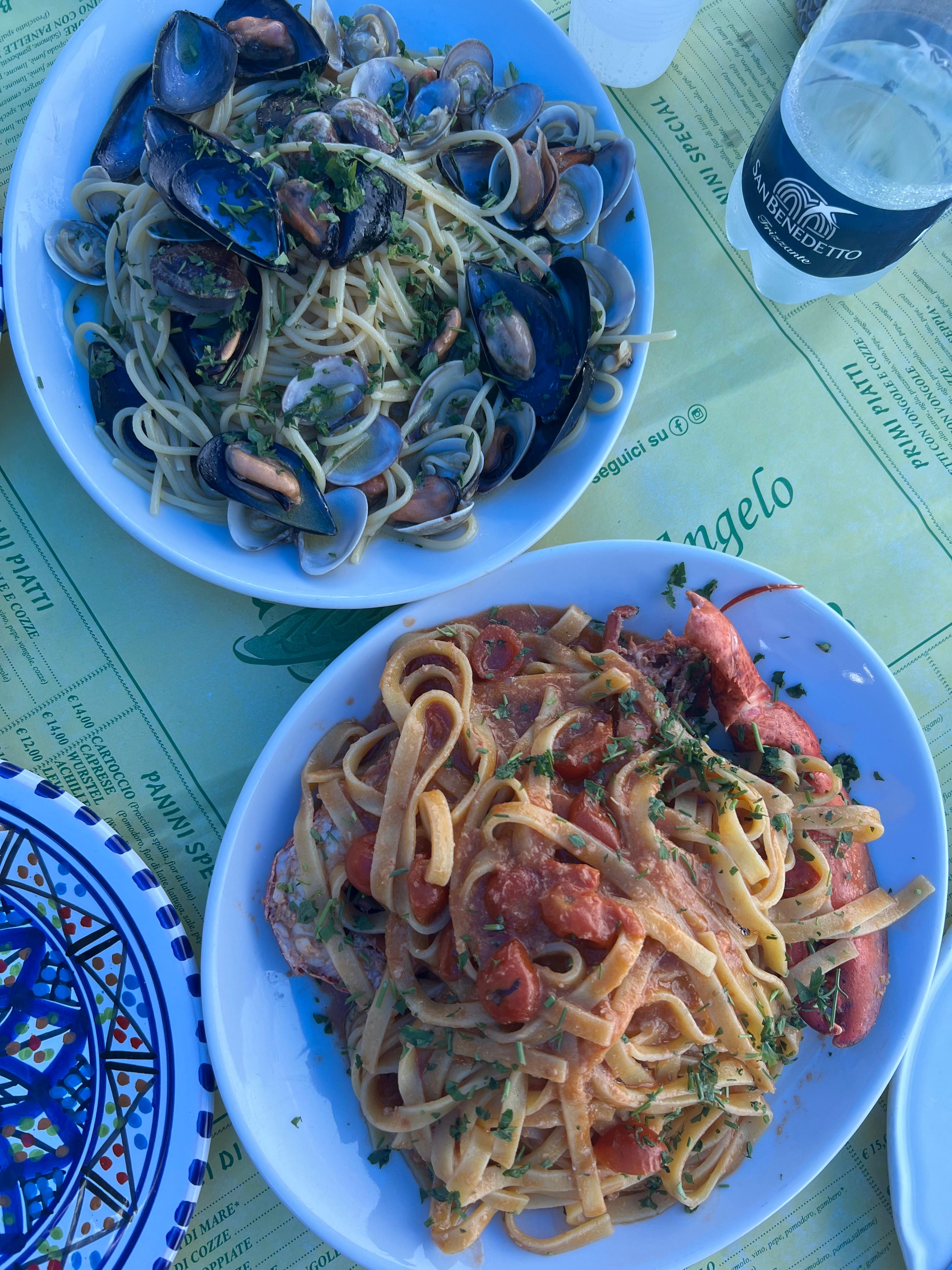
Palermo.
Sicily is barely Italy. They certainly feel that way. It’s Sicily. Mediterranean/Italian/Arabic/Greek hybrid of ancient influence. Seafood, couscous, volcanic wines, chaotic driving, and plenty of market life to entertain you for a few days. It has a slightly exaggerated “unsafe” reputation but is also not Disney World. There are plenty of seaside resorts that are not in the city proper, but that’s no fun. The beaches and hikes of Scopello are worth a day trip.
Insights from Paulina…
My husband, Adam, wishes he was Italian. We actually chose our wedding date to facilitate a two-week Italian honeymoon during shoulder season (early October). I toiled over our honeymoon itinerary far more fastidiously than our wedding plans. We flew into Rome, stayed a few days there, and then took a train to Naples where we smashed a quick roadside pizza (incredible) and hopped on a ferry to Ischia - the sister island to Capri for slowly paced, relaxing downtime. Capri and Positano are packed with tourists in the warmer months (and for good reason). Ischia is a healing island known for its hot springs and healing history. The small islands of Ponza and Procida are also on my list. I don’t think a day trip is enough - I like to melt into the pace of local life for a few days.
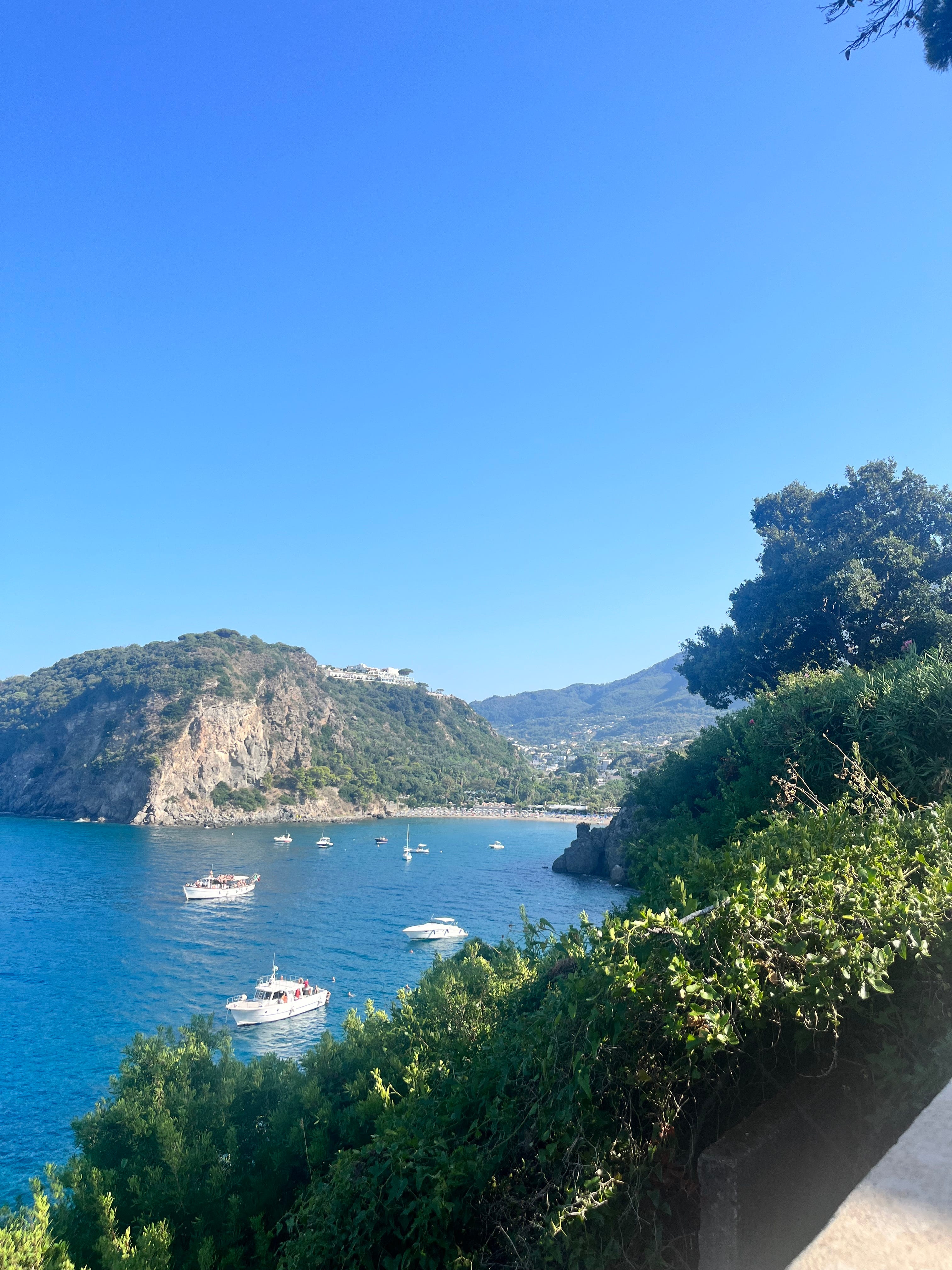
After Ischia, we ferried back to Naples to finish the trip in a frantic, historic city. Echoing Chef James’ sentiments: we loved experiencing three vastly different Italian cities in one trip. Because of all this bopping around (and a forgiving season) - we each packed in one small carry-on, opting for laundry service at our hotel halfway through the trip. Being in Rome allowed for a pasta study for my husband, and hours of museums for me. Beach clubs on Ischia. Cocktail bars, street food tours, cathedral visits, and a trip to Pompeii while in Naples.
It’s worth noting that Italy, in general, has a very fashionable population. It’s no coincidence that most luxury clothing brands are Italian in origin. Personal hygiene, fine fabrics, and appropriate footwear are seen in cities and coastal towns alike. Chef James and I like to blend in when we travel, so we typically choose to overdress when in doubt.
In terms of enjoying wine in Italy: it sure is easy. Globally, Italian reds get the most attention. I prefer to indulge in the local white varietals - Catarratto in Sicily, Campanian whites like Falanghina or Fiano if you’re in the Amalfi. Don’t sleep on Italian sparkling - Lambrusco has a bad rap in the US but it can be inspiring, especially with charcuterie and pizza. Franciacorta and Prosecco are at their best if enjoyed near where they’re made.
We’ll go into much greater detail for specific Italian locales in future posts, but this is just enough information to get your creative itinerary juices flowing.
Can’t go to Italy? Bring it home, baby! La Dolce Vita on your couch.
Watch Federico Fellini’s La Dolce Vita.
Fellini is from Rimini, a seaside town in Emilia-Romagna. It’s kind of the Myrtle Beach of the area. Not the top beach destination in Italy but has an affordable, humble charm to it. Fellini is a legend in town as is strozzapretti. There are many origin stories but it’s translated as ‘choking priests’. It’s commonly mentioned that the pasta may be named after the taxes the Catholic Church imposed on farmers, which left them to make a living on flour, salt, and water. Warning: pasta history is EXTREMELY political.
Watch this incredible Pavarotti documentary.
Embrace the Slim Aarons visual perspective with this sumptuous coffee table book.
Listen to some Armando Trovajoli. I especially love this song:
Buy my favorite guanciale and my favorite imported dried pasta. Now you can make this classic pasta with the best stateside ingredients. (Note: you don’t have to use bucatini if you like other shapes. I love paccheri for this dish, as well. But bucatini is traditional).
Drizzle my favorite olive oil on everything everywhere.
Make yourself a Cynar Spritz. I like to add an orange slice to the garnish as well. I also commonly just drink Cynar, soda, ice and orange slice.
Amaro Shakerato: if you have an espresso machine at home, I like to make an Amaro Shakerato. Equal parts Amaro and Espresso shaken in a martini shaker hard as you can for a minute, then strained into a martini glass. It should be nearly half foam. Which is the whole point. The original FourLoko. Dazzle your friends with this simple technique. Who needs an espresso martini when you have the Shakerato!
Buy some real aged balsamic. Treat yourself to a little bit drizzled on fresh strawberries or taleggio with crackers. Do NOT buy the “glaze” junk that’s thickened and sweetened from the grocery store.
Stucco your ceiling. Put red brick everywhere. Don’t let anyone in your living room. Put a Virgin Mary statue on your lawn. Serve oranges and walnuts in the shell at the end of your meals. Dry homemade pasta on freshly made beds. Cover furniture in plastic. Hold grudges against your enemies. Eat well.
We are traveling to northern italy and renting a car. Trying to decide between Bergamo area and Trentino-Alto Adige, specifically somewhere like Lago di Garda. I saw a photo of Garda in your post. Would you recommend one over the other?
My question is… where to start?! In between reading this and talking at MG and with friends, I get the impression that Italy will be one of those places that I will keep going back to… but for those of us with analysis paralysis, where do you suggest for an initial trip I want it all! The amaro! The food! Emilia Romagna?